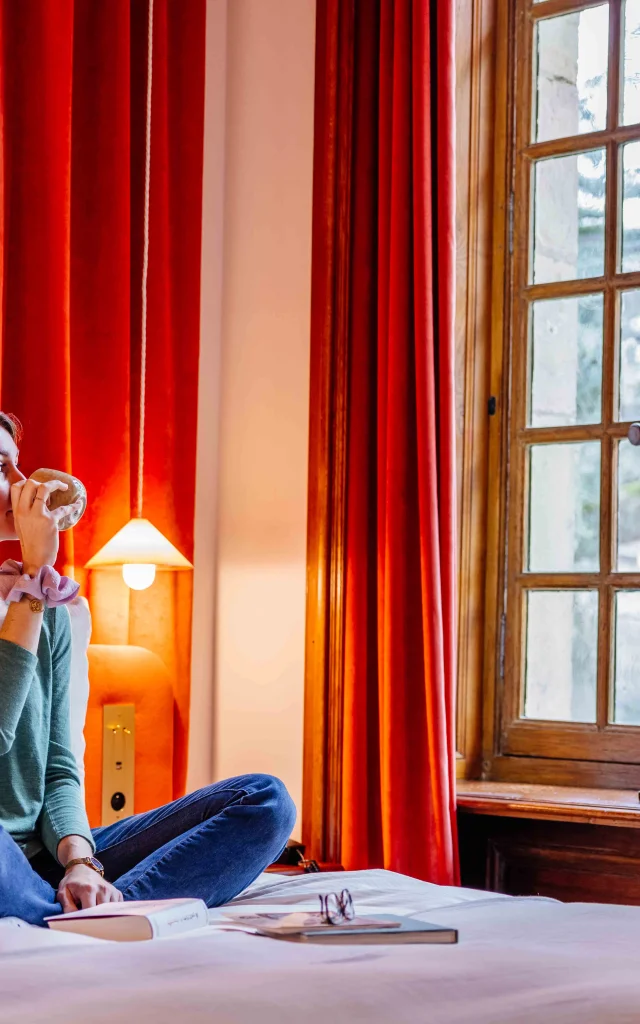
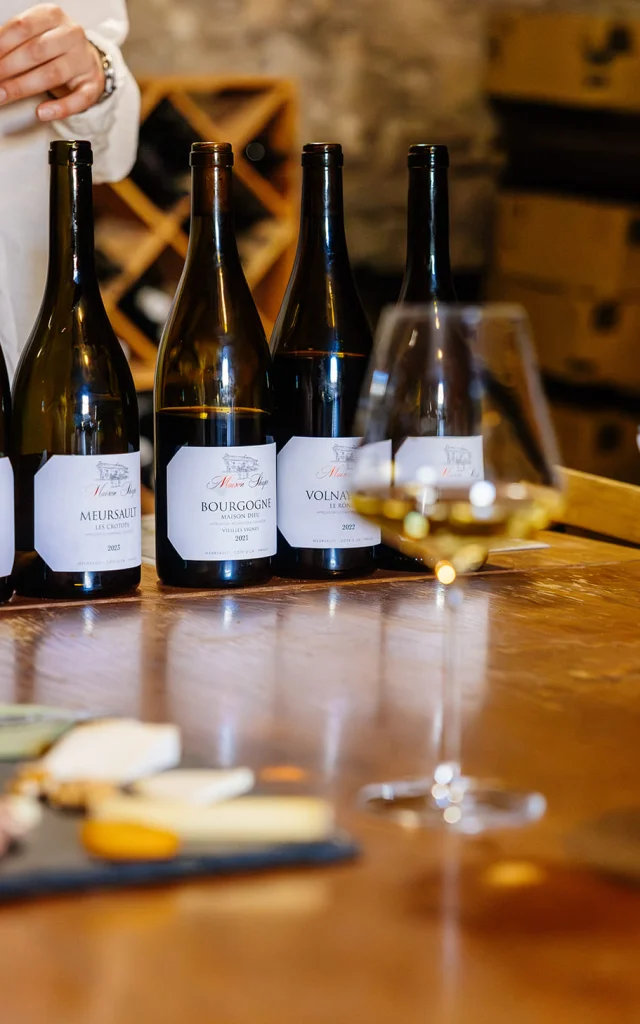
La Cave Vauban in DijonLa Cave Vauban in Dijon
©Les Conteurs - La Cave Vauban in Dijon

Wine tasting in Dijon discover the great wines of Burgundy, right in the heart of the city!

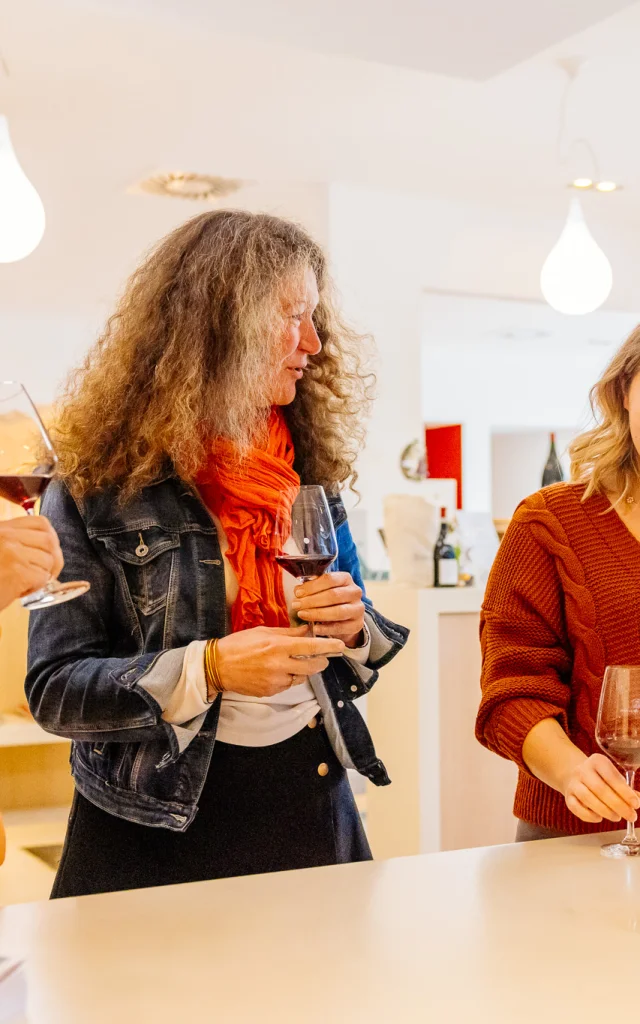
Dijon is an ideal gateway to Burgundy wines. Here, wine tasting is experienced without leaving the city, in an urban winery or vaulted cellar, sometimes with centuries of history under your feet. The winegrowers, wine houses and certain estates present their cuvées, recounting their work in the vineyard, explaining the ageing process and offering commented glasses. You can discover the Climats de Bourgogne, a UNESCO World Heritage Site, learn how to read a vintage and enjoy red and white wines from confidential plots, whether they are ready-to-drink cuvées or made to be kept.

But what really makes Dijon unique is the proximity between the city and the vineyards. You can visit a cellar, talk to an estate, taste a straightforward Chardonnay or a fuller Pinot Noir, then head back to the city centre for dinner in the same evening. There’s no need to hit the road: in Dijon, Burgundy comes to you. Each glass tells the story of a name, a land, a family. Here, you don’t just taste a product, you meet the people who make it!

FAQ - Everything you need to know about wine tasting in Dijon
  • Why choose Dijon for a Burgundy wine tasting?

    Dijon is the natural gateway to the Route des Grands Crus de Bourgogne. The town lies at the junction between the Côte de Nuits and the Côte de Beaune, in the heart of the UNESCO-listed Climats. Here, you can go from an urban winery to a vaulted cellar without leaving the historic centre. The tasting houses and estates offer a living map of the vineyards: structured Pinot Noir, rounder Chardonnay, taut, mineral Chablis… Here you can discover emblematic appellations, villages, Premier Crus or Climats, through wines commented on by passionate (and fascinating!) winemakers.

  • How do you organise a cellar visit or tasting workshop in Dijon?

    In Dijon, two experiences complement each other: the vaulted cellar and the urban winery. In the vaulted cellar, you plunge beneath the centuries-old stonework of the city centre. The atmosphere is cool, hushed and steeped in history. Here you can taste barrel-aged wines, while chatting about vintages and winemaking styles. In the urban winery, the experience is more contemporary: you can discover the vats, the fermentation process and the choices for ageing, sometimes even in an organic version. The winemaker or the team on site take you behind the scenes of the wine-making process, from harvesting to bottling. Each tasting is commented on and lasts an average of 1 hour to 1 hour 30 minutes, depending on the option chosen (discovery, workshop or technical visit).

  • Should I book a wine tasting in Dijon?

    Yes, especially at weekends! Many visitors are looking for a wine tasting in Dijon at the last minute, but slots fill up fast. Most urban wineries and cellars offer online booking, with a choice of time slot, format (simple tasting, wine and food pairing workshop, cellar tour, etc.) and language. During the week, it’s often enough to let us know the day before. On Saturdays and during the summer months, we advise you to book a few days in advance to make the most of the experience.

  • What wines can you taste in Dijon: red, white, organic?

    Tasting in Dijon is a complete immersion in Burgundy wines. The reds come from pinot noir, the whites from chardonnay. You’ll discover a variety of styles: straight, mineral whites, silky or powerful reds, depending on the climate. Some wineries also offer a Chablis to illustrate the differences between northern and southern Burgundy. In a number of organic urban wineries, you can taste vintages from vines grown using no inputs, biodynamic methods or sustainable agriculture. Each glass becomes an encounter: with an estate, a family, a know-how.

  • Do the tastings include food and wine pairings?

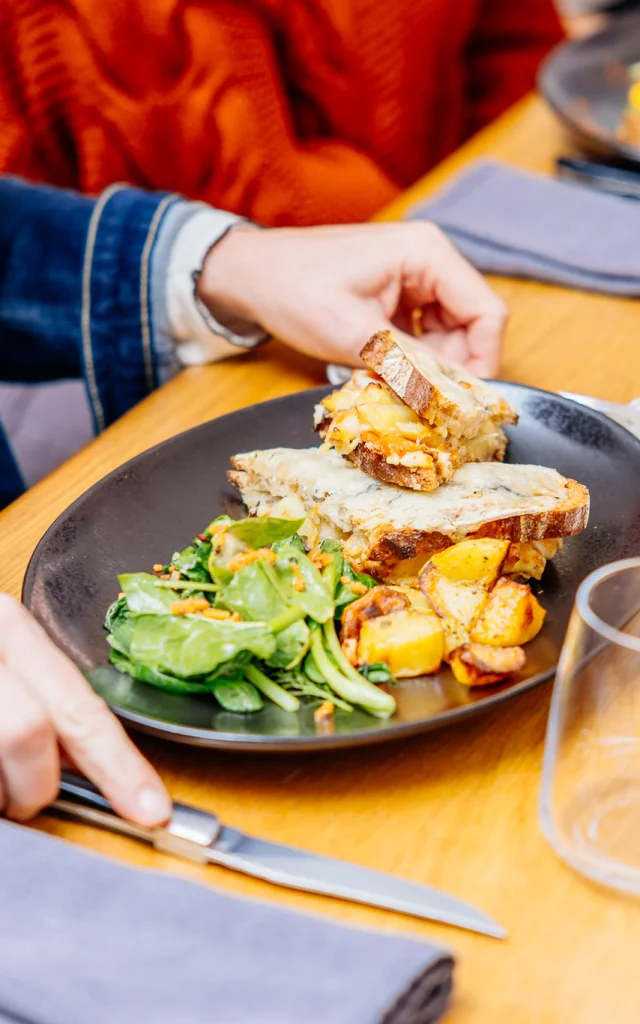
    Often, yes. Dijon loves pairing its wines with its gastronomy. Burgundy cheeses, marbled ham, still-warm gougères or homemade gingerbread… The food and wine matching workshops help you to understand, glass in hand, why a lively Chardonnay goes well with a creamy sauce, or why a Pinot Noir is the ideal accompaniment to roast meat. These educational and convivial tastings provide simple guidelines that can be reproduced at home. For the ultimate experience, head to the Cité Internationale de la Gastronomie et du Vin: a unique venue where chefs, sommeliers and producers combine their talents to tell the story of Burgundy in all its richness. Taste, learn and marvel – all just a stone’s throw from the historic centre.

  • Can you explore the Climats de Bourgogne without leaving Dijon?

    Absolutely. Dijon is at the heart of the Climats de Bourgogne, the unique wine-growing areas listed by UNESCO. Here you can discover how a climate is defined: exposure, soil, history, know-how. The cellars often offer comparisons between a wine from a regional appellation and one from a specific climate, so you can taste the difference on the palate. It’s an ideal introduction before moving on to the Côte de Nuits or Côte de Beaune.

  • Can you visit wine estates from Dijon?

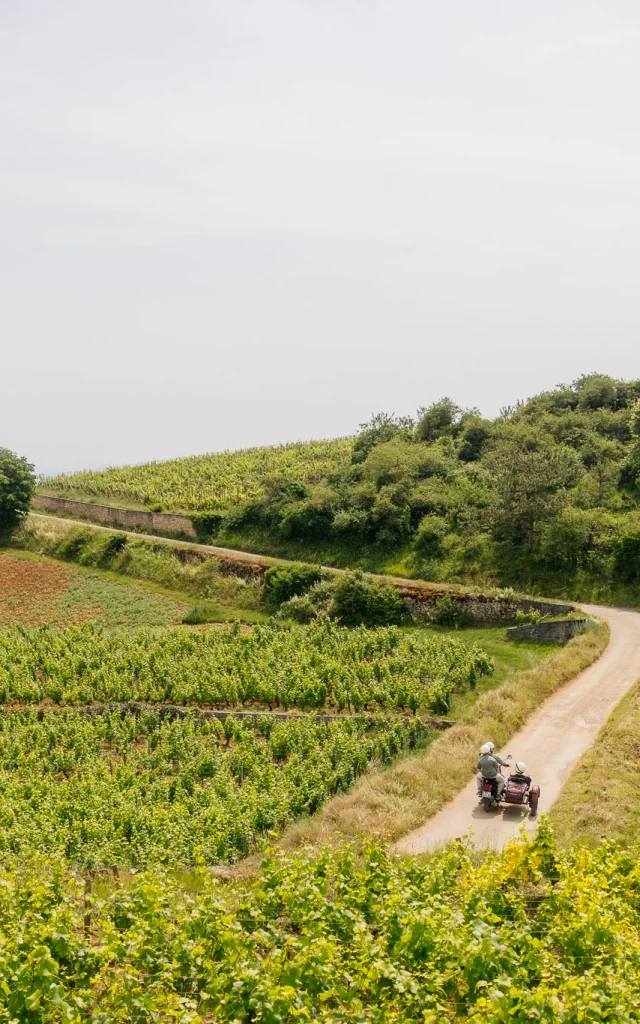
    Yes, and very easily. Many wine-tourism excursions leave from Dijon for neighbouring villages: Marsannay,Gevrey-Chambertin,Morey-Saint-Denisor Nuits-Saint-Georges. These tours often include a visit to the vineyards, a meeting with the winemaker, a tour of the winery and a guided tasting of the estate’s wines. Some packages combine transport, a guided tour and direct purchase at the winery.

  • How much does a wine tasting in Dijon cost?

    Discovery tastings start at around ten euros. More comprehensive experiences, including a visit to the winery or a wine school workshop, are in the mid-range, while prestige packages (food and wine pairings, rare vintages) are a little more expensive. After the visit, most wineries allow you to buy or have delivered the bottles you have tasted, in France or abroad.

  • Dijon or Beaune: what are the differences?

    Dijon has a seductive urban feel and is easy to get to. Everything is within walking distance: the cellars, the urban wineries and the tasting workshops. Beaune, more intimate, offers direct immersion in the vineyards. Many travellers combine the two: Dijon to understand the styles and Climats, Beaune to experience the encounter at the heart of the vines.

  • Is it possible to go wine-tasting in Dijon without a car?

    In fact, it’s one of the city’s greatest assets! The city’s cellars and wineries are within walking distance of the historic centre. For those wishing to venture along the Route des Grands Crus de Bourgogne without driving, there are guided excursions from Dijon to the estates of Marsannay, Gevrey-Chambertin and Nuits-Saint-Georges. It’s a calm, responsible way to enjoy Burgundy wines without worrying about driving!

    * Alcohol abuse is dangerous for your health, and should be consumed in moderation.