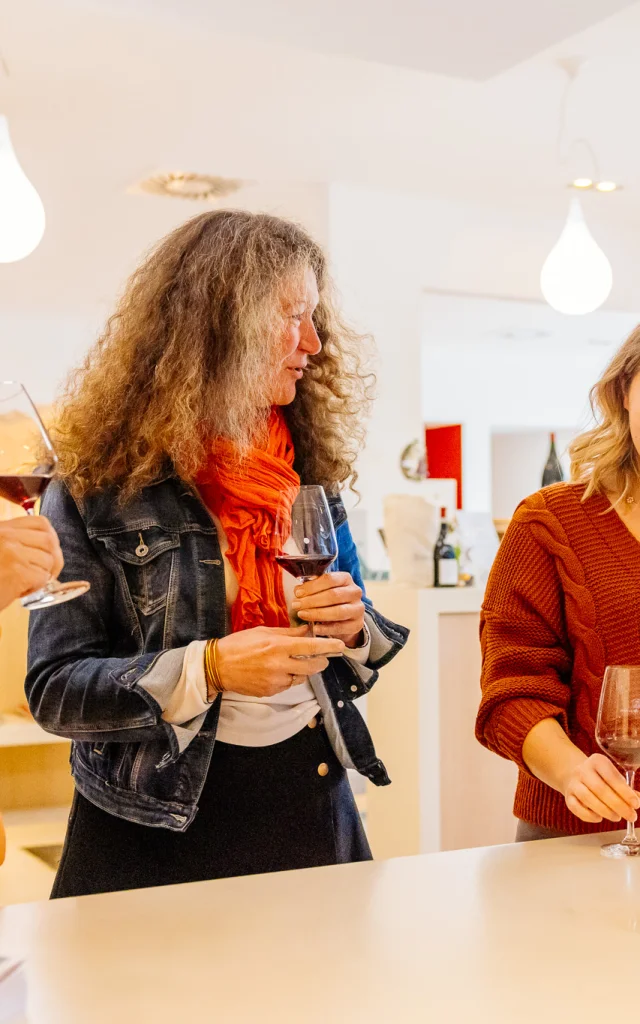
Les Halles de Gilly by DelinLes Halles de Gilly by Delin
©Les Conteurs - Les Halles de Gilly by Delin

Domaines de la Côte de Nuits at the heart of Burgundy's wine heritage

Between Dijon and Beaune, the Côte de Nuits is one of the jewels in the crown of Burgundy winegrowing, on the Route des Grands Crus de Bourgogne. Renowned for its red Pinot Noir wines, it is home to some of the world’s most legendary crus: Gevrey-Chambertin, Vosne-Romanée, Morey-Saint-Denis and Nuits-Saint-Georges. Each appellation reflects a subtle balance between terroir, tradition and high standards.

Discovering the Côte de Nuits in Burgundy means travelling back in time through vineyards steeped in history, centuries-old châteaux and passionate winegrowers who perpetuate a thousand years of know-how. From village cuvées to grands crus, each bottle tells the story of a climate, a land and a hand.

From golden hillsides to vaulted cellars, the Côte de Nuits seduces wine lovers with the diversity of its aromas and the depth of its reds.

Let yourself be carried away by the Côte de Nuits, where Burgundy is experienced with intensity and character!

FAQ - Everything you need to know about Burgundy's Côte de Nuits estates
  • What are the main villages and appellations on the Côte de Nuits?

    The Côte de Nuits region stretches across the Côte-d’Or, from Dijon south to Nuits-Saint-Georges, and boasts a prestigious vineyard. The best-known local appellations include :

    Marsannay (also white and rosé),
    Fixin,
    Gevrey-Chambertin,
    Morey-Saint-Denis,
    Chambolle-Musigny,
    Vougeot,
    Vosne-Romanée,
    Nuits-Saint-Georges.

    These appellations correspond to vines planted in highly worked terroirs. The Côte de Nuits-Villages appellation covers five communes:

    Brochon
    Comblanchien
    Corgoloin
    Fixin
    Prémeaux-Prissey.

    In this vineyard, red wines predominate (the majority grape variety being pinot noir); white wines, although in the minority, also enjoy a fine expression.

  • What distinguishes a Gevrey-Chambertin or a Morey-Saint-Denis from a Côte de Nuits-Villages?

    Communal appellations such as “Gevrey-Chambertin” or “Morey-Saint-Denis” correspond to identified terroirs, often divided into climats, and sometimes including Premiers Crus or Grands Crus, giving certain cuvées a high status.

    The “Côte de Nuits-Villages” appellation is similar to an “overall village” level for several outlying communes, producing wines that express the style of the Côte de Nuits but with a less sophisticated level of recognition, and therefore often a more moderate price tag.

    For example, the profiles are typically fruity (cherry, redcurrant, blackcurrant), with hints of undergrowth and sweet spices. This doesn’t mean they’re any less good, but they’re a different segment in terms of terroir and positioning.

    A visit to an estate to taste a red cuvée from Gevrey-Chambertin, followed by a white or red cuvée from Morey-Saint-Denis, and finally a cuvée from Côte de Nuits-Villages is a good way to see the gradation.

  • How do you prepare for a visit to an estate on the Côte de Nuits to really understand the vineyards?

    For a complete immersion:

    Plan a visit to a family estate in the “Côte de Nuits-Villages” appellation to discover more accessible vineyards and understand how the wine is made from the vine through to maturing.

    Then plan a visit to an estate in a major local appellation (Gevrey-Chambertin, Morey-Saint-Denis or Nuits-Saint-Georges, for example) to see how terroir, climate, vinification and ageing influence the style of a cuvée.

    If possible, include a stopover at a large château or house that offers a tour of the estate, a guided tasting and observation of clearly identified plots of vines. This allows you to compare different vintages from the same estate, or from an estate with different terroirs in the region.
    You’ll gain a better understanding of the choices made in the vineyard, during vinification and bottling: which grape variety, which terroir, white or red, standard or parcel-based cuvée, etc.

  • What are the differences between Côte de Nuits and neighbouring appellations such as Côte Chalonnaise or Coteaux Bourguignons?

    The Côte Chalonnaise lies further south, in the same great Burgundy wine-growing region, and offers appellations that are affordable in terms of both price and expression. Similarly, regional appellations such as “Bourgogne aligoté” or “Coteaux-bourguignons” may include grapes from vines in or around the Côte de Nuits, although the label does not always mention a specific commune. If you’re thinking of buying a wine, these ‘gateways’ are perfect before moving on to more specialised cuvées (e.g. red wines from Gevrey-Chambertin, white wines from Vosne-Romanée or Nuits-Saint-Georges).

    In short, the difference lies in the terroir, the reputation, the level of precision in the vineyard, but also in the style of the cuvée. A red wine from a major local appellation will often offer more complexity and ageing potential than a simple white or red cuvée from a regional appellation.