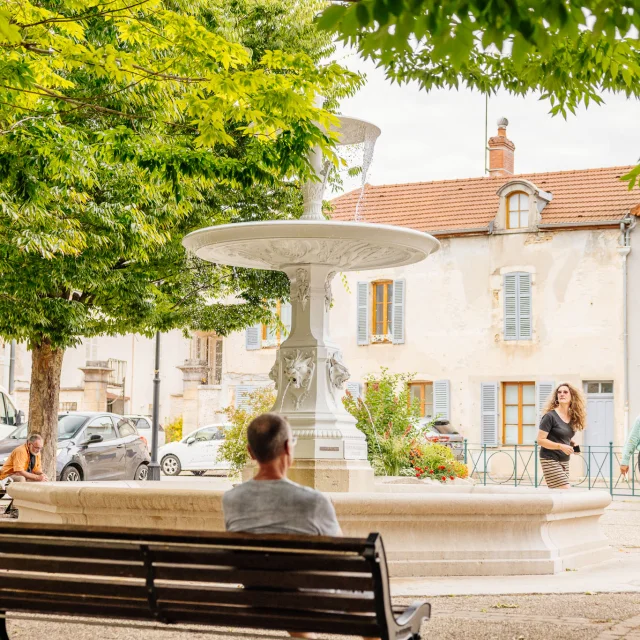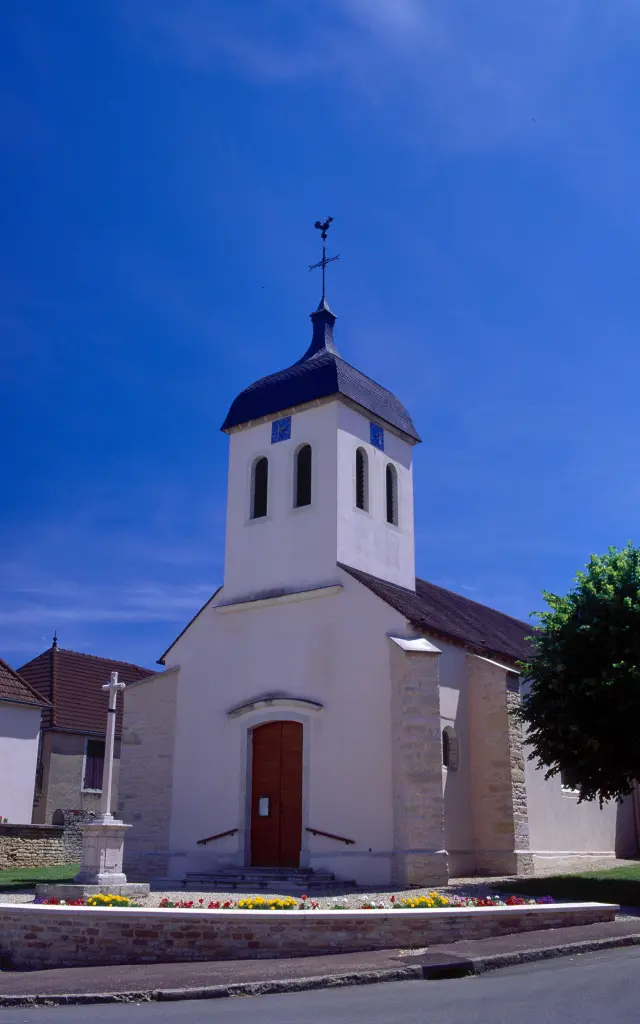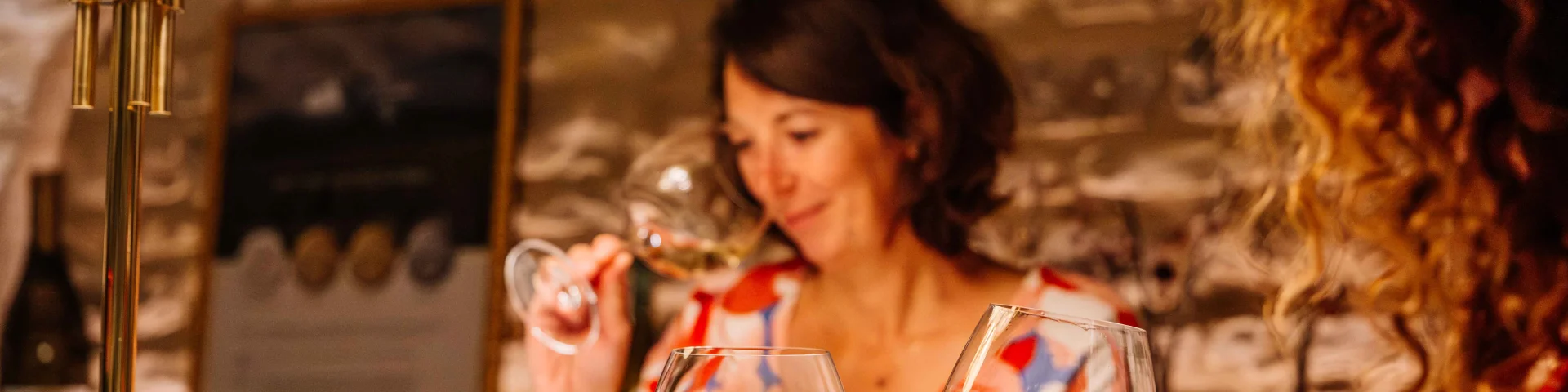
Evenstadt-Santenay EstateEvenstadt-Santenay Estate
©The Storytellers - Domaine Evenstadt-Santenay
from villages to big houses Tasting and estates Visit Burgundy in 3 days

Tastings and estates

Ajouter aux favoris

You’ve got 3 days to get to the heart of Burgundy? Challenge accepted! From Dijon to Beaune, the Route des Grands Crus de Bourgogne ( France’s leading wine route!) awaits you for an extended weekend of discoveries and tastings. This is where no fewer than10,000 hectares of vineyards and over 1,200 Climats* flourish. Enough to bottle the 32 Grands Crus of Côte-d’Or out of Burgundy’s 33!

Whether you’re in town or in the cellars, visiting or tasting, visiting a confidential estate or a grand house, you’re in for a 3-day tour of the region!

*The Climats are typical plots of Burgundy land that have been listed by UNESCO since 2015!

Day 1 Welcome to Dijon!

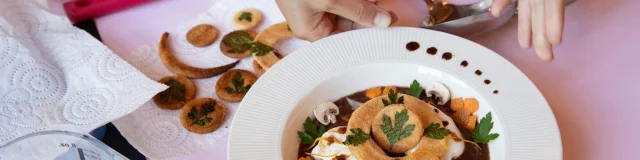
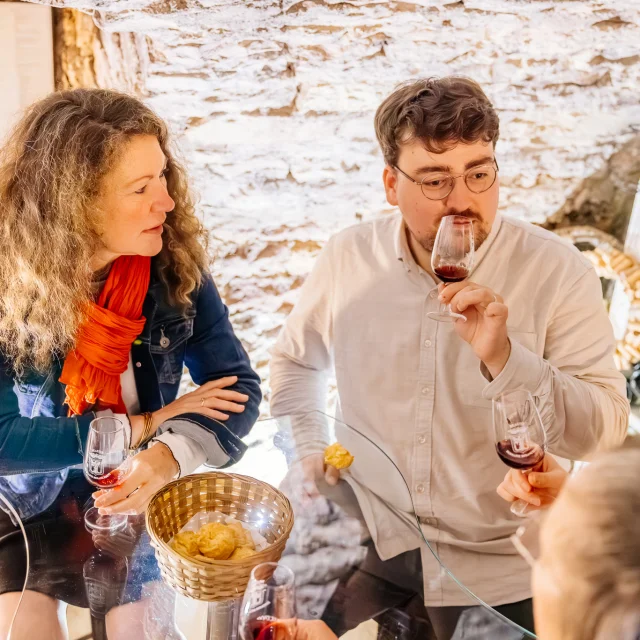
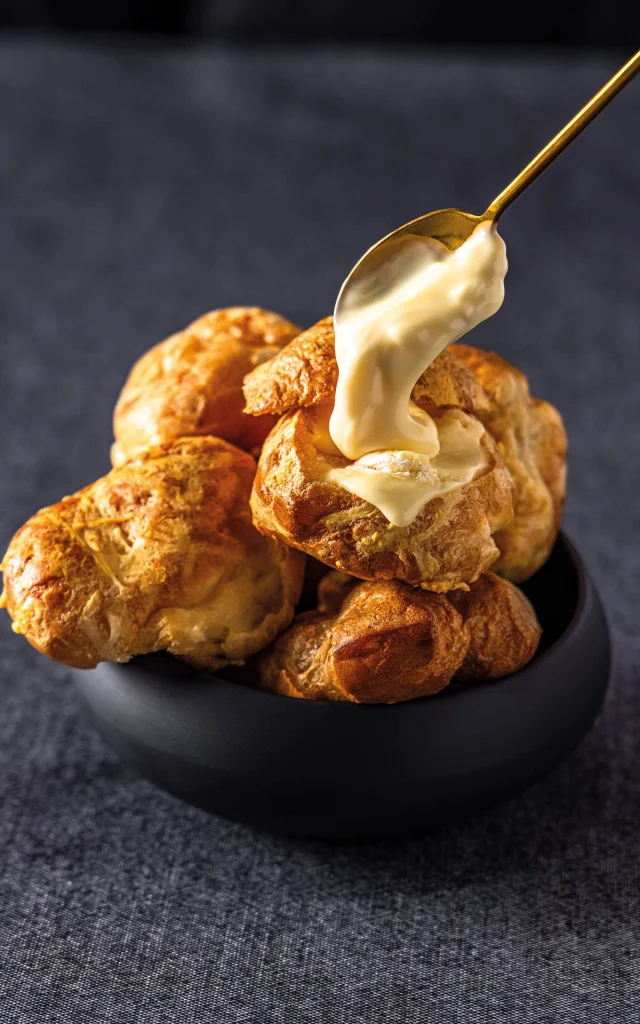
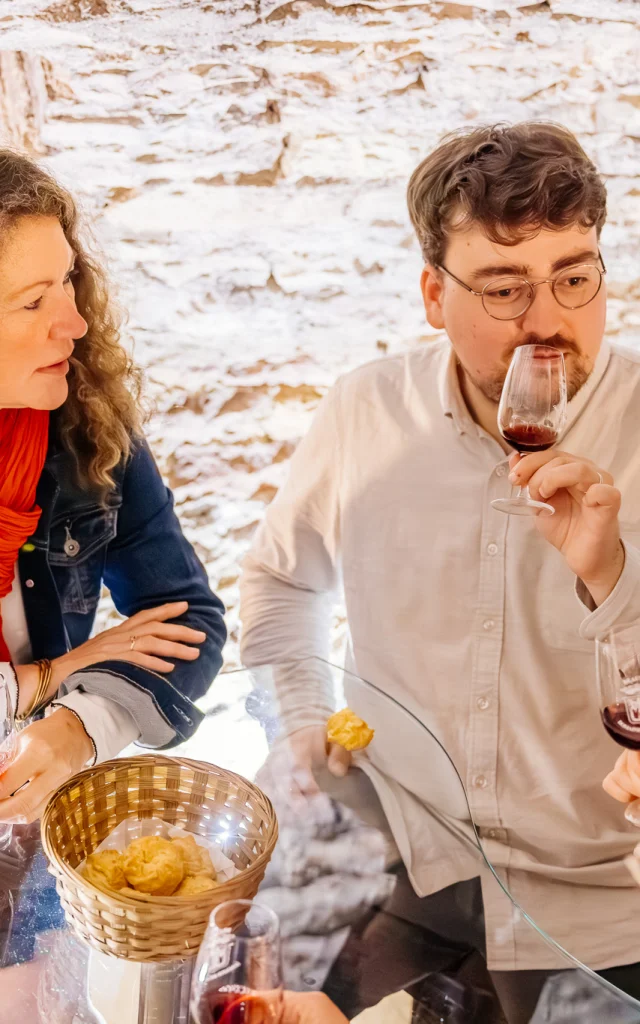
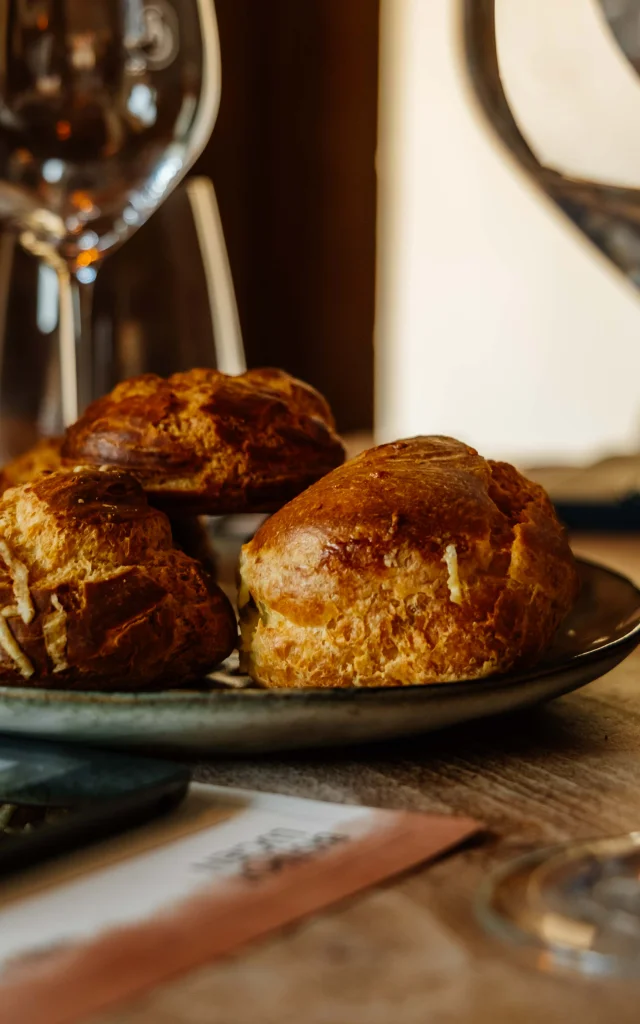
Welcome to Dijon, kilometre zero of the Burgundy Grands Crus Route! Before your first tasting, immerse yourself in the history of the capital of the Dukes of Burgundy: from the Dukes’ Palace to the Cité Internationale de la Gastronomie et du Vin, the city reveals all its art of living. Then it’s on to the Côte de Nuits for a unique experience at the Château du Clos de Vougeot, an emblematic estate founded by the monks of the Cîteaux Abbey. After the visit, it’s time to taste Burgundy wines with the Tastevinage label, accompanied by a few crispy gougères. It’s the perfect start to a flavoursome journey through heritage and the pleasures of the senses.
Day 2 From major houses to confidential estates...

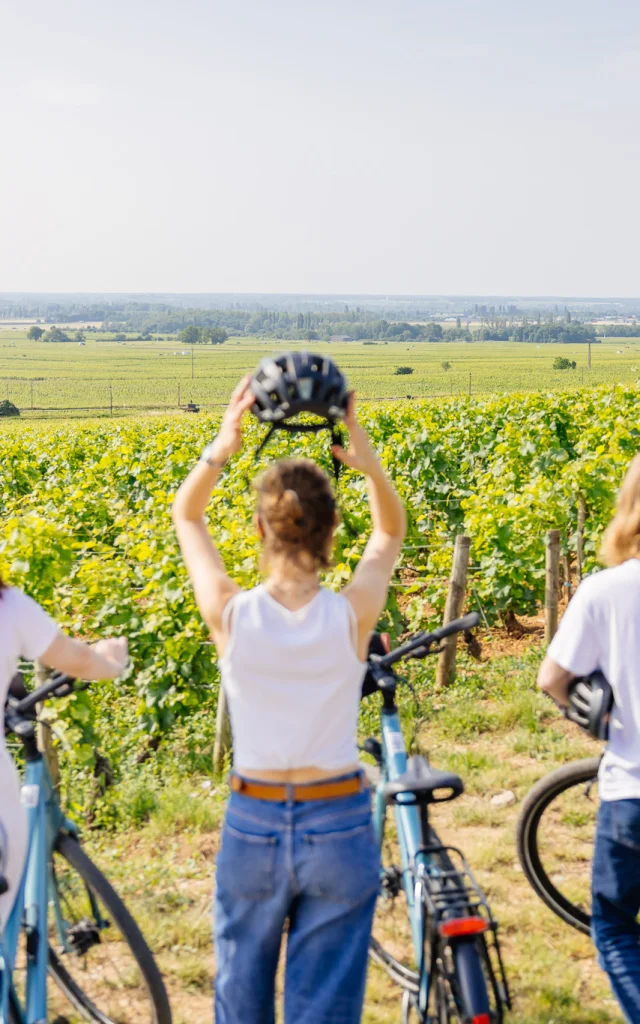
Spending 3 days on Burgundy’s Route des Grands Crus without visiting the famous Domaine de la Romanée-Conti is a bit like a beef bourguignon without a carrot: unthinkable. Although you can’t visit the estate, you can still explore the vineyards on foot or by bike for a 100% nature outing. It’s a great opportunity to admire the bunches of grapes that end up in the 5,000 bottles produced each year on the estate, and which go for gold! These include 9 Grands Crus:

  • Échezeaux
  • Grand Échezeaux
  • Richebourg
  • Romanée-Conti
  • Romanée-Saint-Vivant
  • La Tâche
  • Corton
  • Corton-Charlemagne
  • Montrachet

Perhaps you’ll be lucky enough to take part in a tasting of this precious heritage?

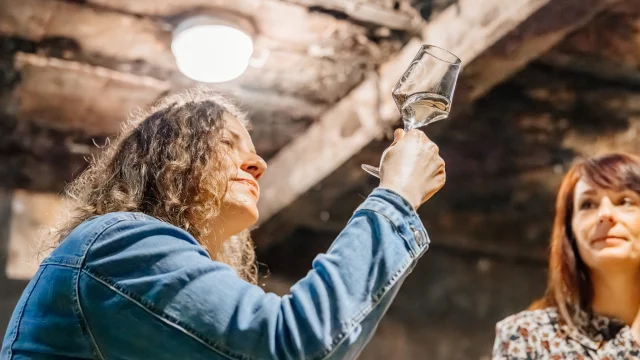
After treading through the vineyards of Domaine Romanée-Conti, continue on to the Côte de Beaune. This is one of the most prestigious parts of the Burgundy vineyards. This weekend in Burgundy is definitely one for luxury! While Pinot Noir flourishes here, the Côte de Beaune is particularly renowned for its white wines. And with good reason: its Chardonnay is one of the most sought-after in the world! Stop off at a small wine estate, and let the winemakers tell you all about their trade and their expertise with passion… Before a little tasting to round off the day!

Day 3 Finishing on a Beaune note

Your journey will take you to the heart of Beaune, considered to be the capital of Burgundy wines. It’s undoubtedly THE destination to end the weekend on a high note!

Here, lose yourself in the narrow streets of the town centre before visiting the Hôtel-Dieu – Hospices de Beaune, with its famous roof of coloured tiles. In fact, the monument has its own vineyard on the Côte de Beaune, which you visited the day before!

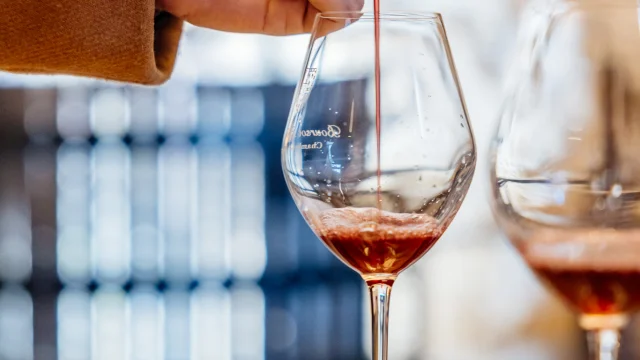
And what better way to round off your visit than by learning all about Burgundy wines? Head to the Burgundy Wine School, where you can perfect your tasting techniques! Smell, look, listen, taste… appreciating wine is a skill in its own right!

Our favourite tastings

Looking for a real wine experience in Burgundy? Browse our selection of must-see tastings and let us guide you from estate to estate, to enjoy wine in a different way: with curiosity, conviviality and the inimitable Burgundian art of living.

FAQ
  • Where is the Route des Grands Crus de Bourgogne located?

    The Route des Grands Crus is located in the Burgundy-Franche-Comté region, in the Côte-d’Or department. It stretches for around 60 km, from Dijon to Santenay, crossing the Côte de Nuits and the Côte de Beaune. It winds its way through prestigious wine-producing villages such as Gevrey-Chambertin, Vosne-Romanée, Nuits-Saint-Georges, Beaune, Meursault and Puligny-Montrachet, in the heart of UNESCO World Heritage vineyards.

  • What is the difference between the Côte de Nuits and the Côte de Beaune?

    Vineyards that are similar, but not in every way! The Côte de Nuits is best known for its powerful, complex red wines made from pinot noir, with prestigious appellations such as Gevrey-Chambertin, Vosne-Romanée and Clos de Vougeot. The Côte de Beaune, meanwhile, shines particularly brightly for its exceptional Chardonnay-based white wines, such as Meursault, Puligny-Montrachet and Corton-Charlemagne, while also producing fine, more elegant reds, notably from Pommard and Volnay.

  • What to see in Beaune

    In Beaune, the capital of Burgundy wines, a visit to the Hôtel-Dieu – Hospices de Beaune, a masterpiece of medieval architecture with its colourful roof, is a must! The historic centre and ramparts are also a must. You can also visit a wine cellar to discover the great vintages of the region, and take a tour of the Collegiate Church of Notre-Dame. And don’t forget the Burgundy Wine Museum!

  • What to see in Dijon

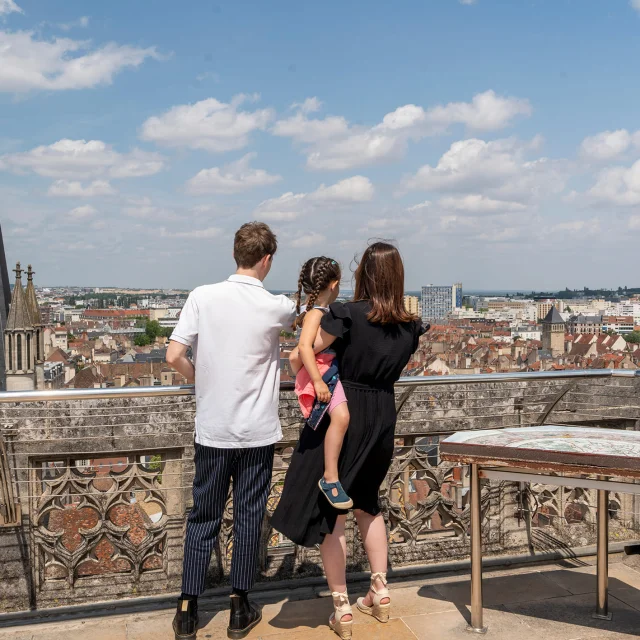
    In Dijon, capital of the Dukes of Burgundy, visit the Palace of the Dukes and the States of Burgundy. Climb the Tour Philippe le Bon to admire the view over the city, stroll through the medieval historic centre, visit the Musée des Beaux-Arts, and follow the Owl trail to discover the main monuments. And don’t forget the Darcy garden, the Parc de la Colombière and the Halles de Dijon to round off your discovery of the city!

  • What are the main châteaux to visit on the Burgundy Grands Crus Route?

    The main châteaux to discover on the Route des Grands Crus are Château du Clos de Vougeot, a veritable symbol of Burgundy winegrowing, Château de Meursault with its large cellars and Château de Pommard, renowned for its wines.

  • What museums can you visit on the Burgundy Grands Crus Route?

    On the Route des Grands Crus, there are several museums where you can discover the history and heritage of Burgundy:

    The Burgundy Wine Museum in Beaune
    The Musée des Beaux-Arts in Dijon, in the Palace of the Dukes of Burgundy
    The Museum of Nuits-Saint-Georges

  • How does a visit to a Burgundy cellar work?

    A visit to a wine cellar in Burgundy generally consists of several stages:

    Welcome and introduction: the winemaker or guide tells you all about his estate, the terroir and the history of the winery.

    Discovering the cellars: you take part in a tour of the underground cellars where the wine ages, with a few explanations about the barrels, vinification and ageing of the wine.

    Tasting: a tasting of several of the estate’s wines, often accompanied by advice on food and wine pairings and how to enjoy them.

    Shop: you can usually buy the wines you taste, sometimes in limited editions or special vintages.

    Visits can be self-guided or guided, and we recommend that you book in advance, particularly for well-known estates or during the high season.

  • Which abbeys to visit on the Burgundy Grands Crus Route?

    On the Route des Grands Crus de Bourgogne, you can visit Cîteaux Abbey (XIᵉ century) in Saint-Nicolas-lès-Cîteaux, cradle of the Cistercian order and founder of Clos de Vougeot.
    This tour allows you to discover the close link between religious history and Burgundy winegrowing!

  • Where to spend the night for a weekend in Burgundy?

    Need a pied-à-terre to explore Burgundy? For a stay as close as possible to nature in the Côte-d’Or, opt for a night in the heart of the vineyards on the Route des Grands Crus! Whether you’re staying in a château or in unusual accommodation, it’s the perfect way to start the day off on the right foot… and close to the vineyards!

  • What wines should you try on a weekend in Burgundy?

    During a weekend in Burgundy, try your hand at Burgundy’s emblematic wines:

    Côte de Nuits: mainly powerful, complex red wines made from pinot noir grapes, such as Gevrey-Chambertin, Vosne-Romanée and Nuits-Saint-Georges.

    Côte de Beaune: mainly elegant, refined white wines made from Chardonnay, such as Meursault, Puligny-Montrachet or Chassagne-Montrachet, but also delicious reds like Pommard or Volnay.