Château de PommardChâteau de Pommard
©Agence Les Conteurs -Château de Pommard
5 reasons to visit Château de Pommard in Burgundy

Château Pommard

Ajouter aux favoris

Once upon a time, an estate reigned supreme over the Burgundy vineyards for more than three centuries. And it’s none other than Château de Pommard. With its protected appellation wines made from Pinot Noir grapes and its organic and biodynamic viticulture, it’s no surprise that the estate is part of the Climats du vignoble de Bourgogne, a UNESCO World Heritage site. All good reasons to book a visit to this not-to-be-missed château on the Route des Grands Crus de Bourgogne. Tasting supplement, please!

01 - For its fascinating history

If Pinot Noir rhymes with Pommard, it’s not by chance. Even before the château was built, Pommard was one of the first villages in Burgundy to be recognised for its noble grape variety. Built in 1726, a few kilometres from Beaune, the estate belonged to the illustrious Marey-Monge family. It was Nicolas-Joseph Marey and his wife, Adélaïde Monge, who gave their name to one of Burgundy’s most famous climats: Clos Marey-Monge. Thanks to its mineral-rich soil, this vineyard produces some of the world’s finest Pinot Noir. All in perfect harmony with nature.
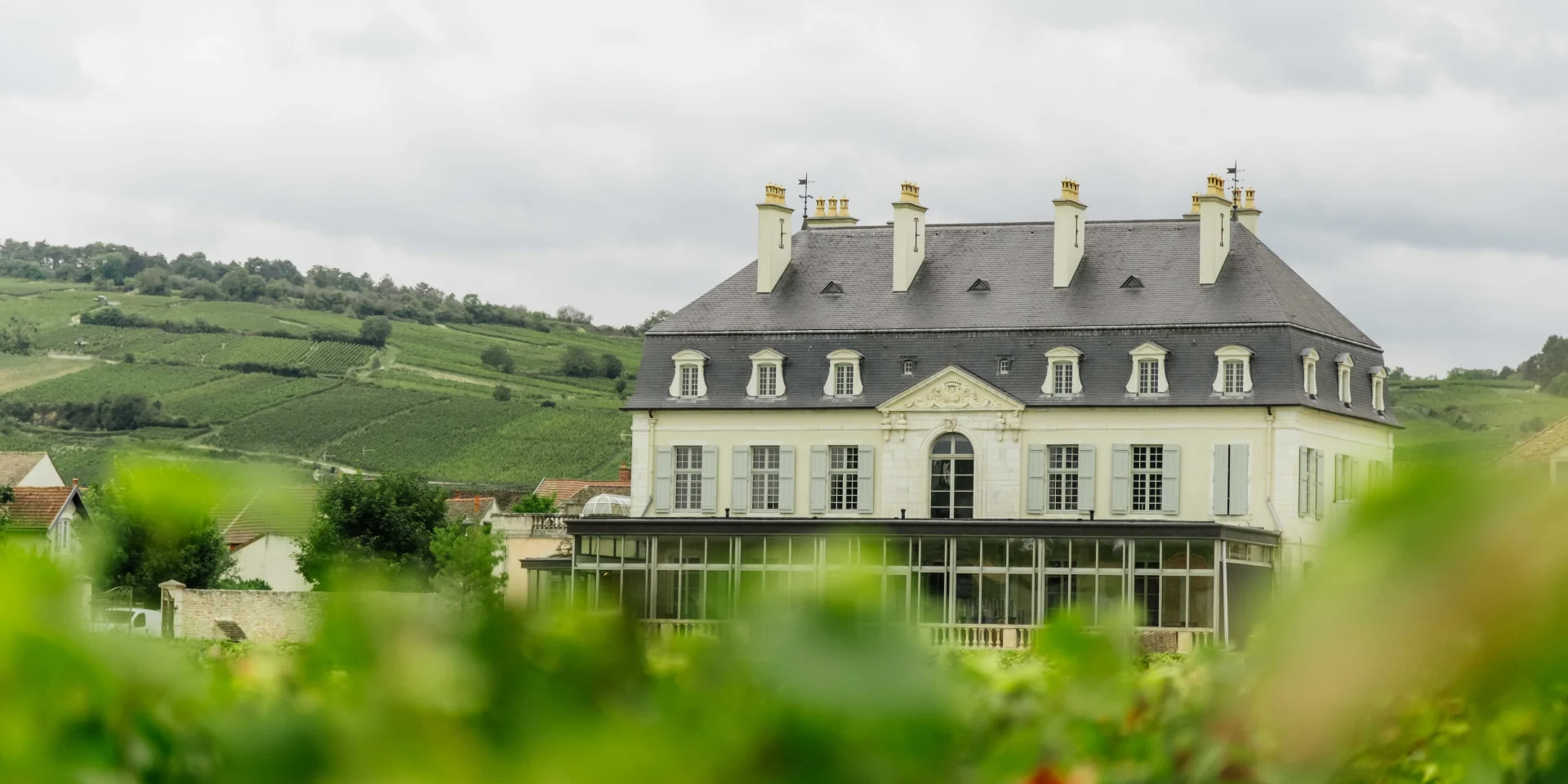
Château de Pommard behind closed doors

The Clos Marey-Monge wall, encircling the largest monopoly in Burgundy, was built in 1812. Legend has it that Nicolas-Joseph Marey offered a new pair of boots and a bowl of soup to anyone willing to lend a hand with the construction. After all, a wall two metres high and two kilometres long takes a lot of work!
02 - For its immersive guided tour

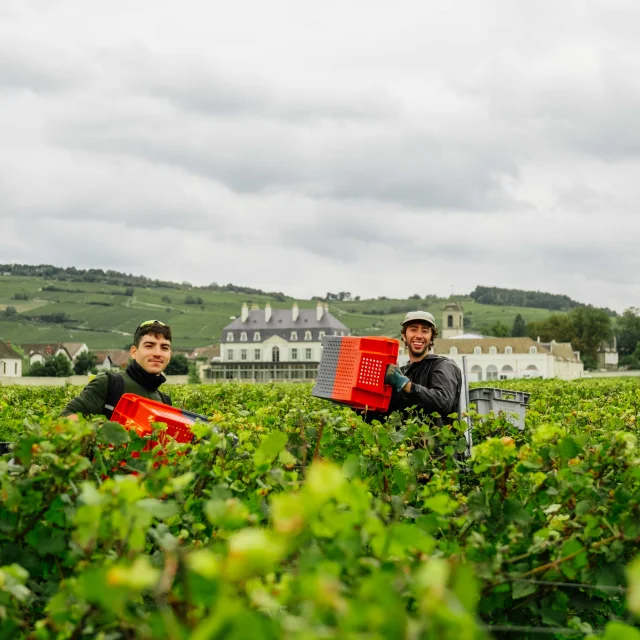
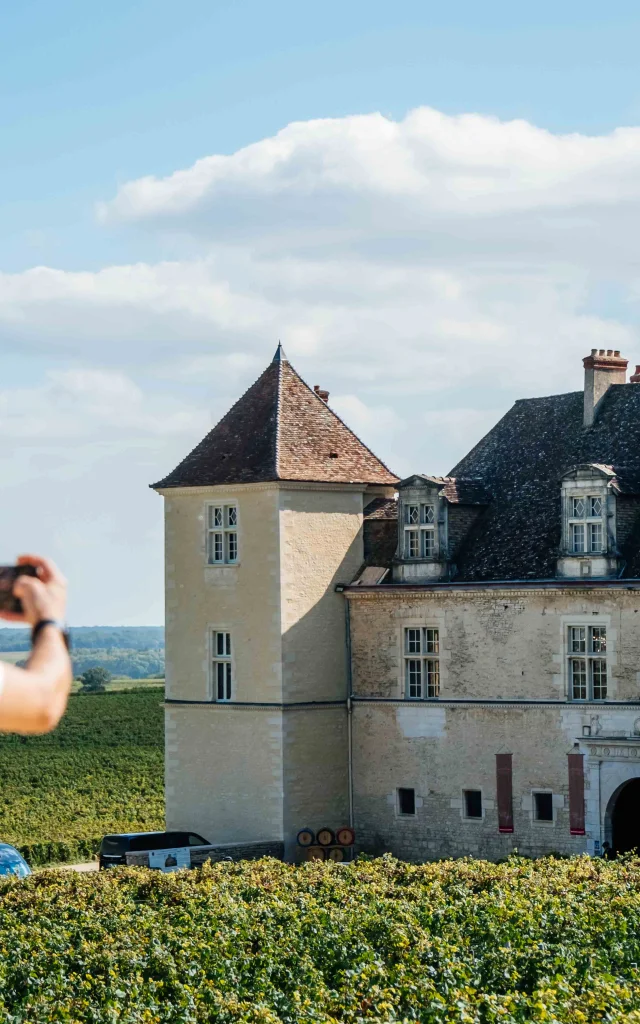
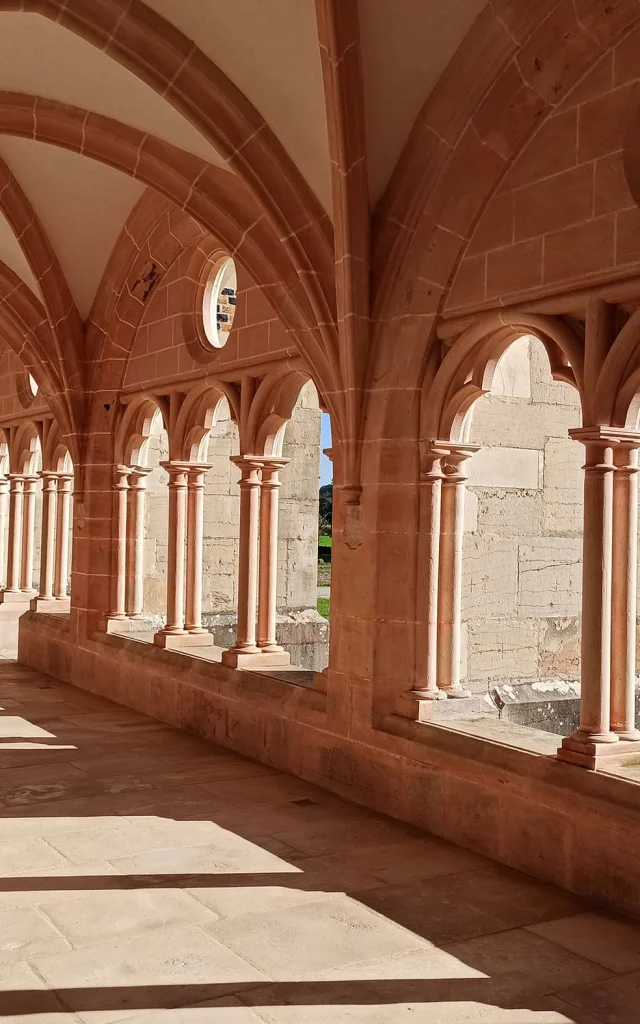
Once you’ve entered the estate, the adventure begins. Although Château de Pommard has retained its classic 18th-century architecture, it has now been transformed into a genuine space dedicated to wine tourism. Inside, the rich collection of viticultural artefacts alone forms a small museum of vines and wine. Of course, by far the most interesting is the visit to the Clos Marey-Monge and its 20 hectares of vines. Thanks to the guides’ expert explanations, you’re sure to learn everything there is to know about the Pommard appellation and the Pinot Noir grape variety!

03 - For its top-flight wines and vintages

At Château Pommard, the visit doesn’t just stop at the estate’s wine culture. It extends to the splendid 18th-century vaulted cellars, which house over 400,000 bottles of wine and hundreds of oak barrels. These include, of course, the Clos Marey-Monge wines that are the pride of the Pommard appellation. But that’s not all! The estate boasts a wide range of Burgundy wines, from the rich Pinot Noir of the Côte de Nuits to the Mâconnais. Do you prefer red or white wine? There’s no need to choose when you can taste both in a refined tasting session.

Tasting alert at Château de Pommard!

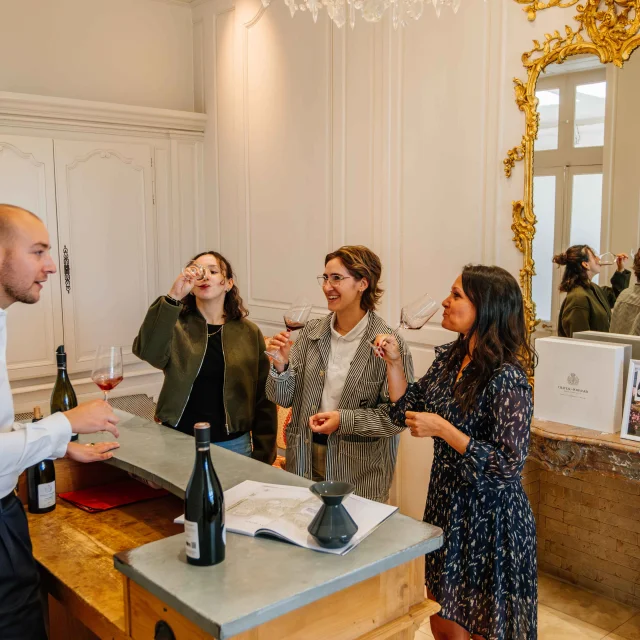
Did your visit to Château de Pommard make your mouth water? Then it’s time to book your tasting experience at the heart of the estate. With a selection of Burgundy wines and vintages from the Pommard appellation, say yes to a unique tasting experience just outside Beaune. Turn, look, smell, taste… Pinot Noir, Chardonnay or Aligoté will no longer hold any secrets for you.

04 - For its formal gardens

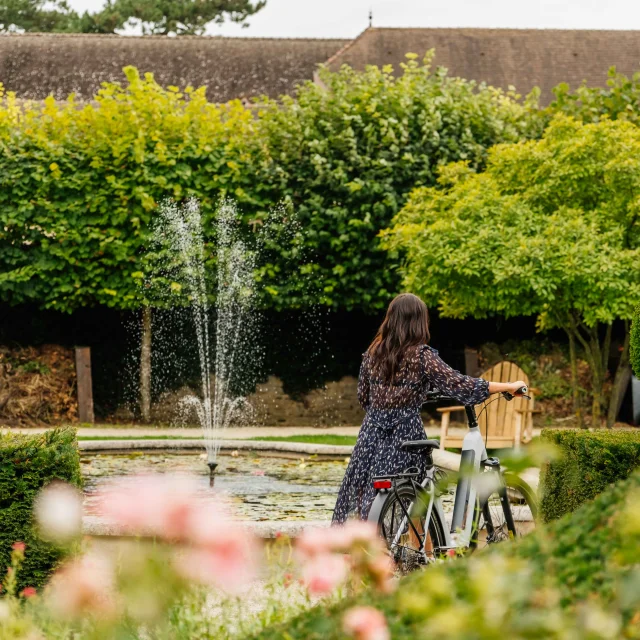
If the wines of the Pommard appellation are awe-inspiring, the classical architecture of the château is a favourite with visitors. And the remarkable French-style gardens are no exception. These are the work of Vivant Micault, founder of the château and also secretary to King Louis XV. This green space was directly inspired by the Versailles model of symmetry. Amid the topiaries and boxwood avenues, two sculptures proudly take pride of place. They are, of course, ‘Saint George Slaying the Dragon’ and ‘The Unicorn’, two works by the surrealist artist Salvador Dalí. And it has to be said that they add their stone to the beautiful edifice that is Château de Pommard.

05 - For its commitment to the environment

More than just a label, biodynamic vi ticulture is an integral part of vine-growing at Château de Pommard. The aim? To restore the vitality of the soil, strengthen the resilience of the vineyard and preserve the purest expression of Pinot Noir. At the heart of the estate, the vine is seen as a living organism interacting with the earth, water, air, light and the cycles of the moon. In this way, Clos Marey-Monge is in perfect symbiosis with the four seasons and the colours of the earth (brown, green, golden, red). It’s a holistic approach that has given rise to the iconic, labelled cuvées of the Pommard appellation. And let’s not forget the five magnificent Comtois that make up the château’s equine team and help to plough part of the Clos under the benevolent gaze of all concerned. From the bottle of red to the glass of white, the estate’s wines are 100% green!

FAQ - Château de Pommard
  • Where is Château de Pommard?

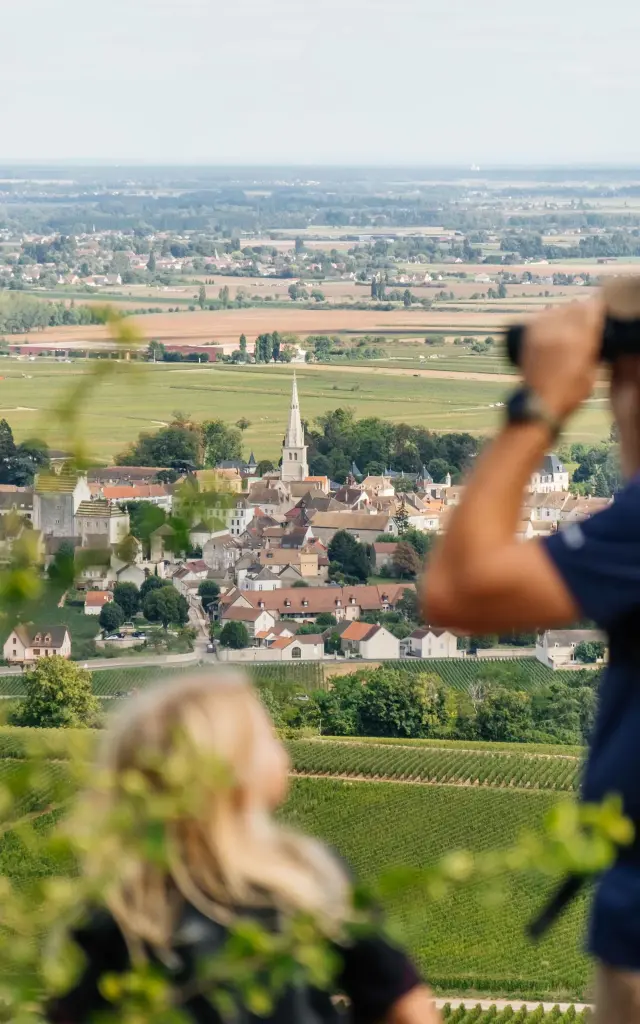
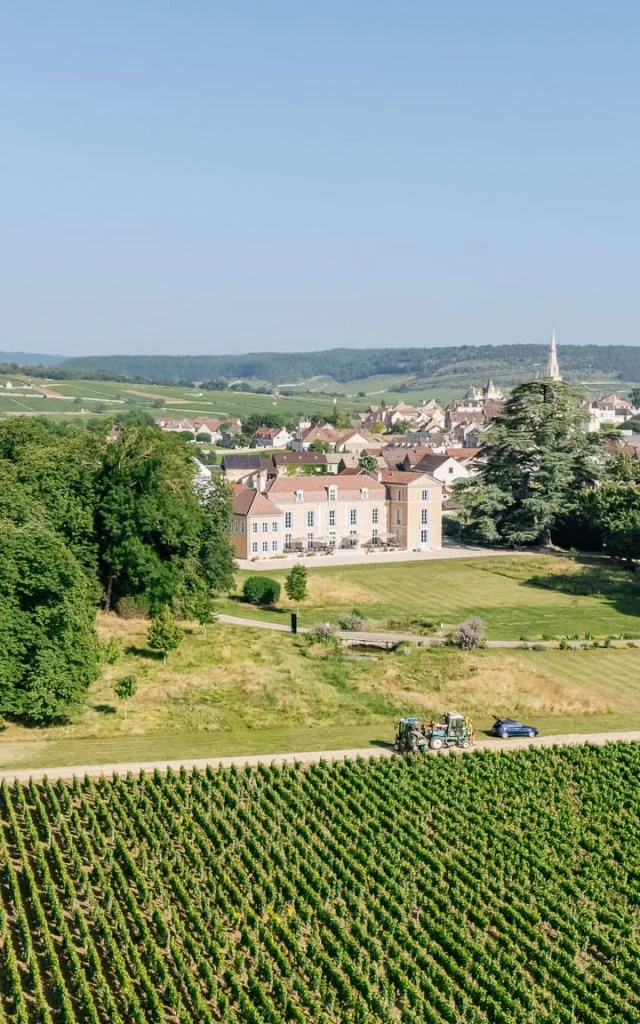
    Château de Pommard is located in the heart of wine-growing Burgundy, in the village of Pommard, just 4 kilometres from Beaune. It lies on the Route des Grands Crus de Bourgogne, which links Dijon to Santenay, passing through the most prestigious wine-producing villages of the Côte de Beaune and Côte de Nuits. The château overlooks the Clos Marey-Monge, a 20-hectare vineyard entirely surrounded by walls and backing onto the first slopes of Pommard.

  • What types of wine does Château de Pommard produce?

    Château de Pommard produces exclusively red wines from the Pinot Noir grape variety, emblematic of the Côte de Beaune in Burgundy. The estate’s main cuvées are Clos Marey-Monge Monopole, Cuvée Simone and Cuvée Grands Champs. All the château’s wines carry the appellation AOC Pommard, and more specifically Pommard Clos Marey-Monge Monopole (since the Clos belongs exclusively to the estate). However, the château also offers other Burgundy wines for tasting, from the Côte de Beaune and Côte de Nuits .

  • Is Château de Pommard open to visitors?

    Yes, the Château de Pommard welcomes visitors curious to delve into the world of Burgundy wines. The guided tour includes the formal gardens, the estate, its Clos Marey-Monge and wine tasting. Please note that the cellar tour is currently unavailable due to works on the estate. To book your experience and find out about opening times, please visit the Château de Pommard website.

  • Can I take part in a tasting at Château de Pommard?

    Yes, of course! Château de Pommard offers you the chance to take part in a wine tasting as part of your wine tourism visit. The estate offers three different types of tasting experience:

    ➡️ A tasting to discover Burgundy, so you can learn all about the Climats de Bourgogne and the Burgundy villages and appellations.

    ➡️ The Clos Marey-Monge tasting, to taste the exceptional wines of the Pommard AOC appellation and discover the many expressions of Pinot Noir grapes

    ➡️ The made-to-measure experience, for a personalised tasting tailored to your tastes and desires

  • Is Château de Pommard a renowned wine estate in Burgundy?

    Château de Pommard is regarded as one of Burgundy’s most emblematic and prestigious wine estates. Not least because of its history, which dates back more than three centuries, and is home to one of the largest private clos in Burgundy, the Clos Marey-Monge. The latter is a monopoly, meaning that it belongs entirely to a single owner. A rarity in a region where plots are often divided up between dozens of heirs. Château de Pommard is also renowned for its certified biodynamic viticulture. Its wines, notably Cuvée Simone and Clos Marey-Monge Monopole, are now among the most sought-after in the Pommard appellation.

You may also like