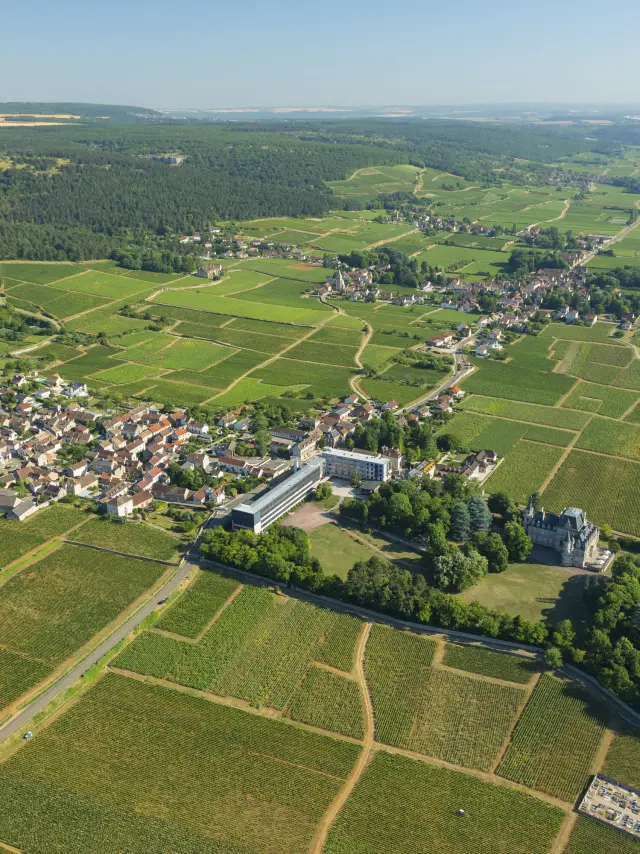
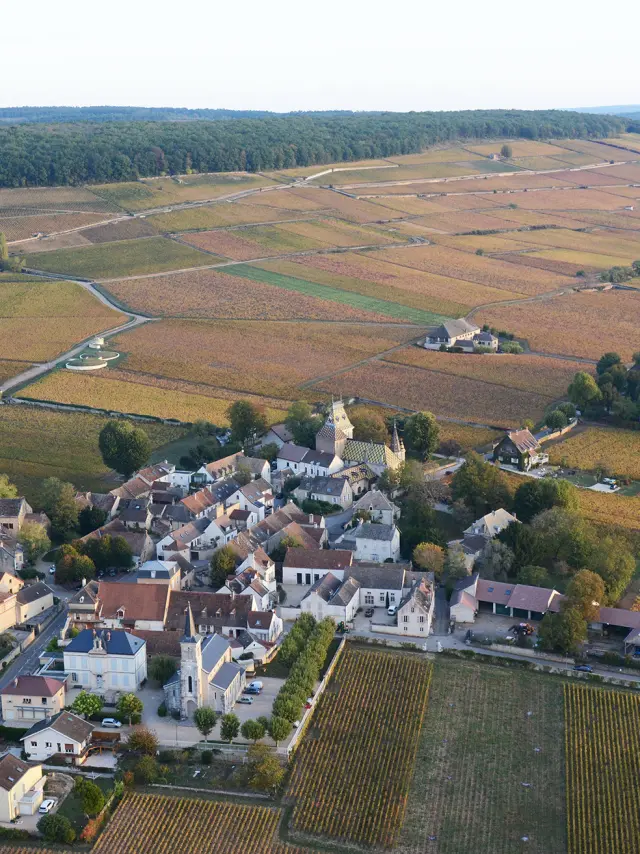
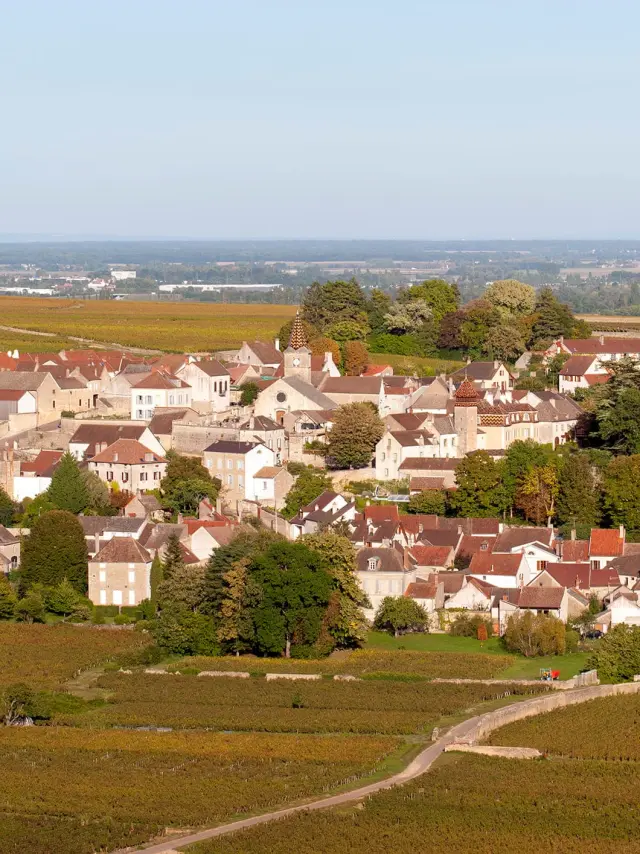
Aerial view of VougeotAerial view of Vougeot
©Les Conteurs - Aerial view of Vougeot

The Climats of the Burgundy vineyards

Climats or climate?

So let’s be clear: in Burgundy, when we say “Climat”, we don’t mean “rain tomorrow” or “bright sunshine on Sunday”. Here, a Climat is an ultra-precise parcel of vines, named and cared for as far back as the Middle Ages. Imagine a gigantic Monopoly game where each square is a little corner of a vineyard with its own name, its own character and its own wine. Between Dijon and Santenay, south of the Route des Grands Crus de Bourgogne, there are 67 villages and over 1,500 identified plots of land in the Climats zone. The result? Names that click like magic: Clos de Vougeot, Charmes-Chambertin, Corton, Montrachet. .. As soon as you say them, your taste buds are already celebrating.

A Burgundian obsession

The Burgundians had the crazy – and brilliant – idea of linking each bottle of wine to its own patch of vines. There’s no question of mixing things up here: a Climat = a wine. Full stop. And this little merry-go-round has been going on for centuries. Bernard Pivot, a writer and TV presenter with a passion for wine, summed it up like no other:“Here, when we talk climate, we don’t look up to the sky, we look down to the earth. And if possible, with a glass in your hand.

What strange names!

Would you like to find out more about the toponymy of the names of the Climats and everything that goes to make up the Climats of the Burgundy vineyards? Visit the Cité des Climats et vins de Bourgogne in Beaune!

Climats, from Greece to UNESCO, for eternity

The word itself has travelled: from the Greek klima-atos to the 16th century French ‘climat’, where it already referred to a delimited parcel of vines. As a result, this rather basic term has become the signature of Burgundy winegrowing, known as viticulture de terroir. And since 4 July 2015, boom! The Climats du vignoble de Bourgogne are listed as a UNESCO World Heritage Site, just like Mont Saint-Michel or the Grand Canyon. International class, isn’t it?

A shared experience

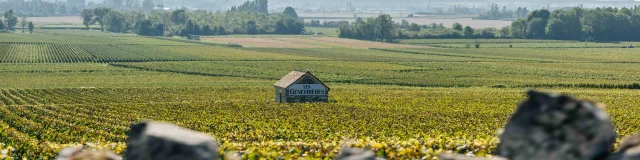
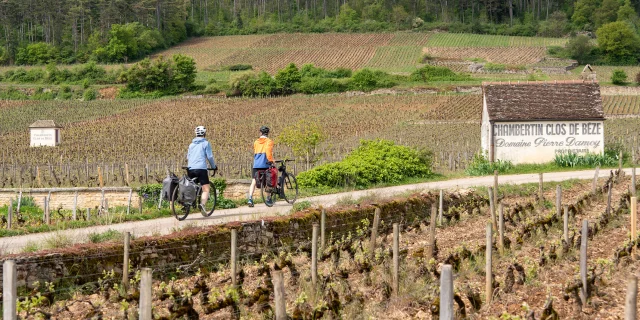
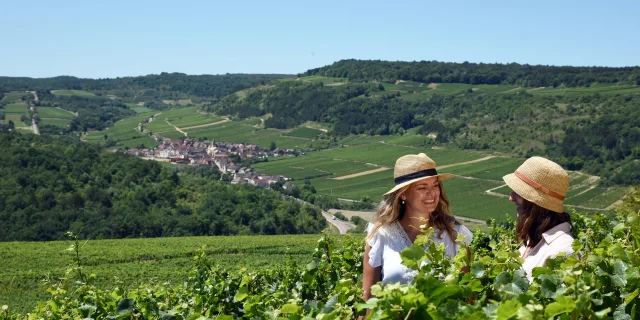
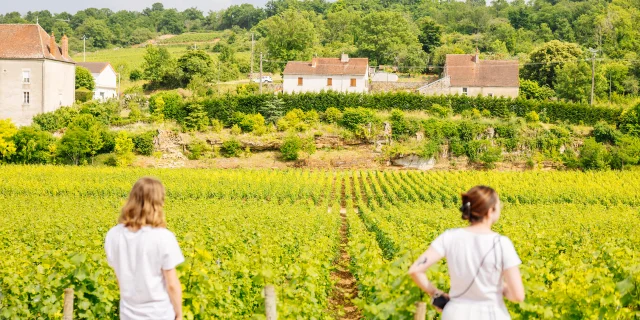
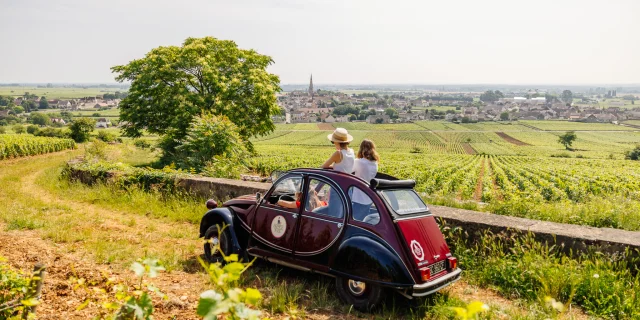
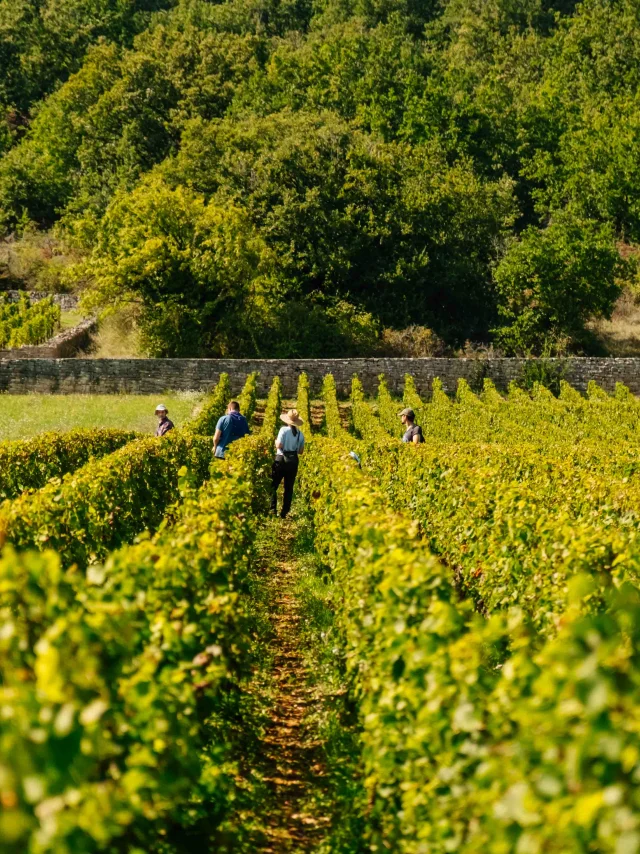
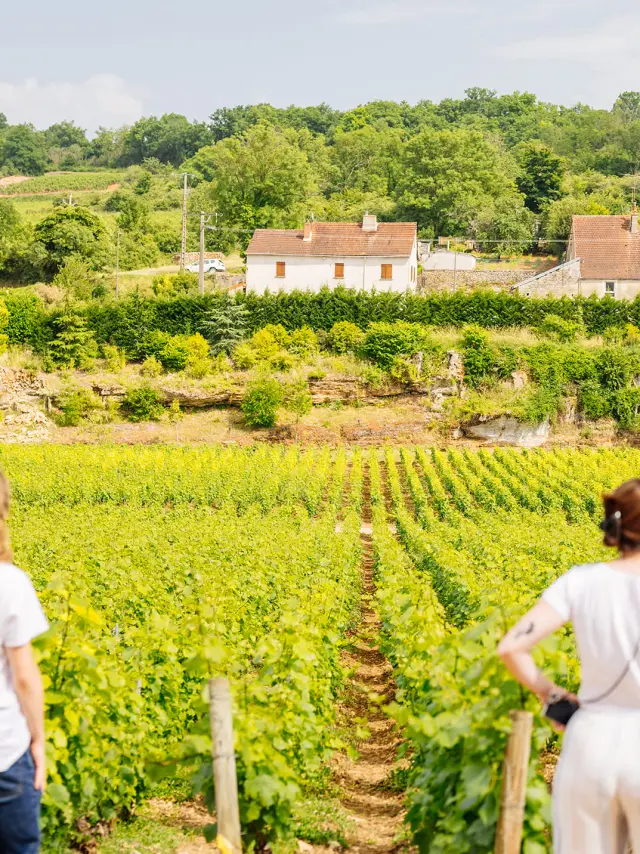
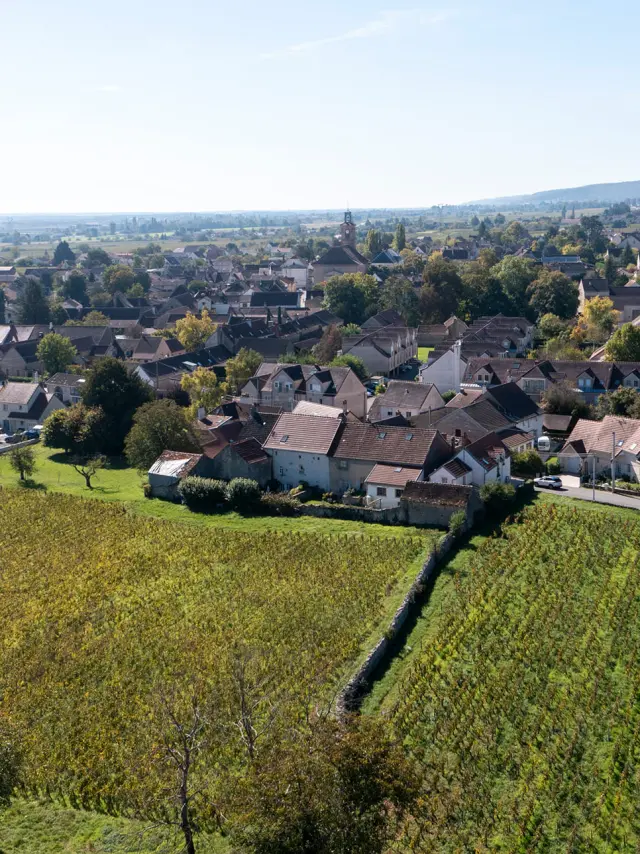
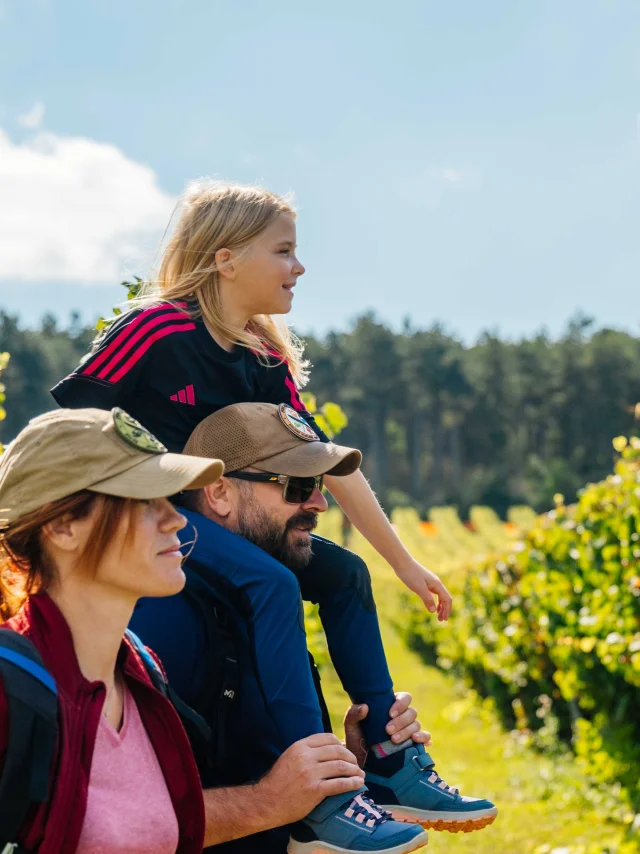
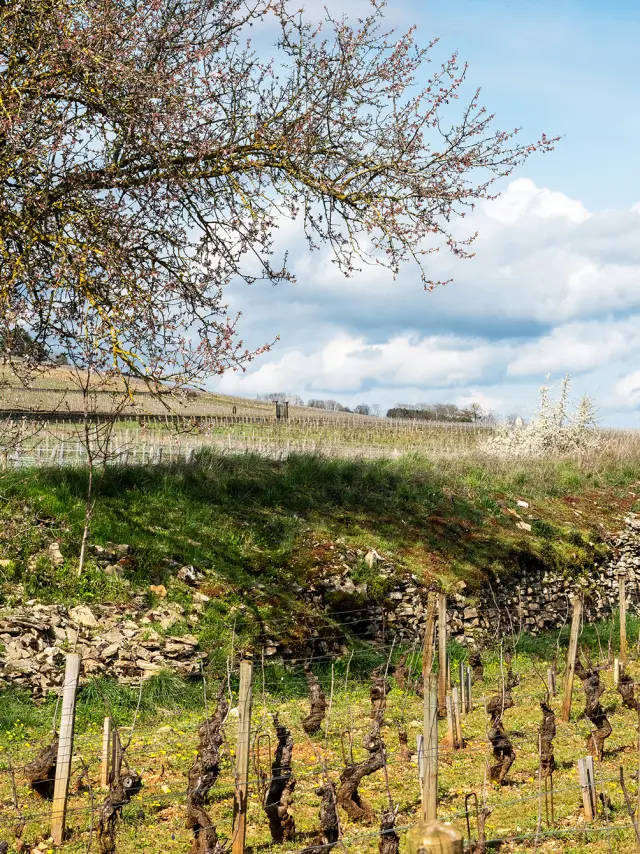
In the heart of the Côte-d’Or, on the Route des Grands Crus de Bourgogne, you can play the explorer by following the paths along the rows of well-trimmed vines, the low stone walls, the cabottes and the wine villages… and inevitably, the reward arrives sooner or later: a visit to a cellar, a tasting and a discovery of Burgundy wines. Each sip tells a different story. It’s the story of the men and women who have shaped their terroir to produce a taste, an emotion that’s always different, but always renewed.

Not to be missed

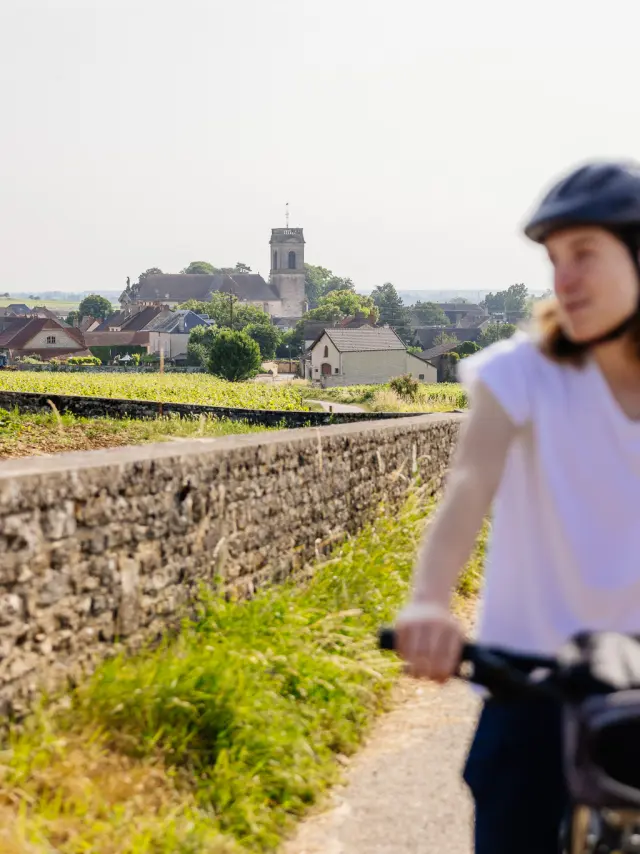
Have you discovered the Climats and want to impress your friends? Then follow the guide and don’t miss the jewels ofthe Côte de Nuits:Gevrey-Chambertin,Chambolle-Musigny,Nuits-Saint-Georges, and those of the Côte de Beaune:Meursault,Pommard,Puligny-Montrachet,Beaune… Which you can explore on foot, by bike or on horseback, by following the passionate guides, or by downloading the free app Balades en Bourgogne. Here, winegrowers’ houses and old wine presses tell as many stories as the wines served in the glasses.

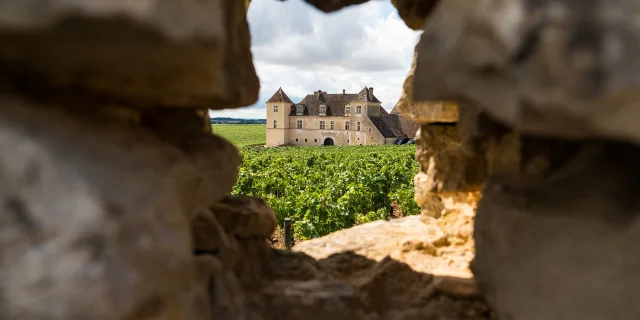
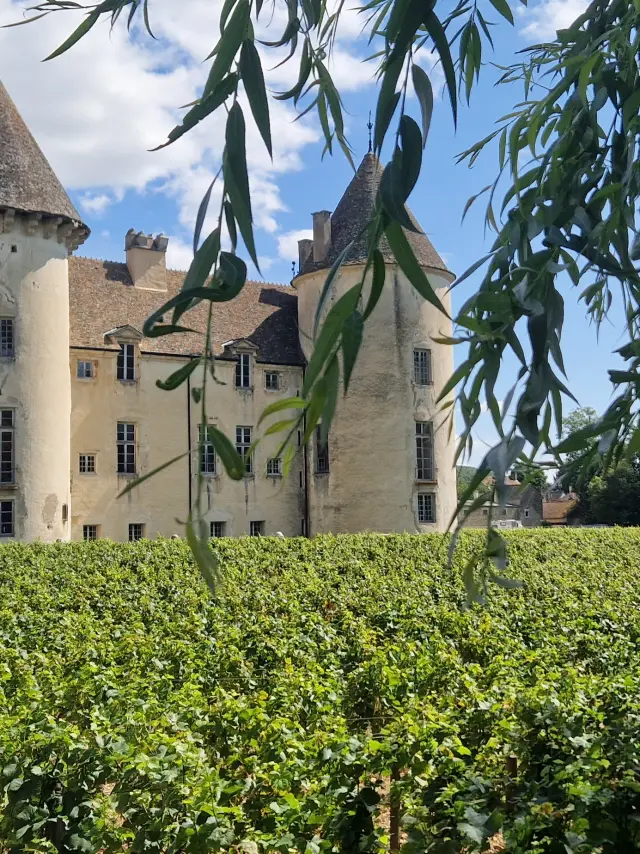
The Palais des Ducs de Bourgogne in Dijon, the Château de Clos de Vougeot and the famous Hôtel-Dieu des hospices de Beaune are all must-sees in the Climats region, and can be visited all year round, thrilling lovers of history, architecture and wine. Now all you have to do is decide when to come and discover this land of history and taste in Burgundy.

FAQ
  • What is a Climat de Bourgogne?

    A Climat de Bourgogne is a precisely delimited parcel of vines, recognised for its geological characteristics, its exposure, its history and the know-how of the winegrowers who have shaped it. Each Climat produces a wine with its own identity, even when it shares the same grape variety as its neighbour.

  • When should you visit the Climats du vignoble de Bourgogne?

    Each season has its own charm!

    • May-June: it’s Climats month, a festival of events for everyone, in the heart of the 1,500 plots of land along the Route des Grands Crus de Bourgogne.
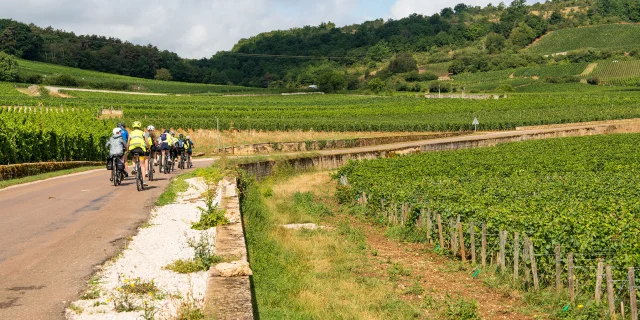
    • Summer: explore the vineyards on foot, by bike, on a scooter or even on horseback, and push open the doors of the estates to taste their star appellations.
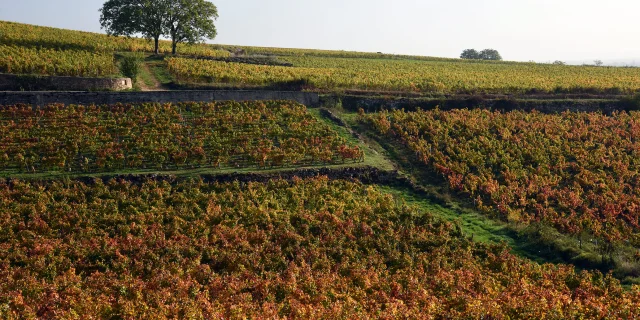
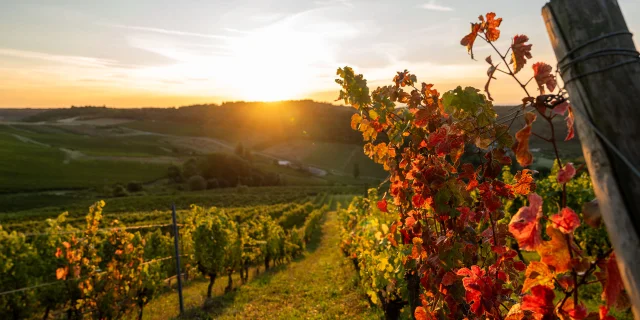
    • Autumn: the magic of the grape harvest and an explosion of golden colours in the vineyards – after all, it’s not called the Côte-d’Or for nothing!
  • Where is the best place to visit the Climats du vignoble de Bourgogne?

    It’s impossible to decide! With 67 km of wine-growing countryside to choose from, you’re spoilt for choice. In terms of towns, Dijon, Nuits-Saint-Georges and Beaune are perfect starting points. As for the villages, each has its own charm – and when it comes to accommodation, you’ll find everything from bed & breakfasts and gîtes to hotels and even unusual cabins where you can sleep right next to the vines.

  • How can you come and explore the Climats?

    By car, by train, by plane… and why not by hot-air balloon!

    • By car: take the A6, the A31 (towards Dijon, then Lille or Nancy) or the A38 (towards Besançon, Basel).
    • By train: allow 1h15 to 1h35 from Paris, 1h40 from Lyon, 1h45 from Mulhouse.
    • By plane: Dole-Jura airport or Beaune-Challanges aerodrome.

    In short, all roads (and flights) lead to the Climats!

  • How many Climats de Bourgogne are there?

    The Côte-d’Or boasts almost 1,500 Climats, spread mainly between the Côte de Nuits and the Côte de Beaune. This unique mosaic is one of the foundations of the worldwide reputation of Burgundy wines.

  • Why are the Climats de Bourgogne listed as a UNESCO World Heritage Site?

    The Climats de Bourgogne are listed as a UNESCO World Heritage Site for their exceptional universal value. They bear witness to an organisation of vineyards that is unique in the world, the fruit of centuries of observation, transmission and human work around the terroir.

  • What is the difference between a Climat, an Appellation and a Cru?

    The Climat refers to a specific parcel of land. The appellation corresponds to a larger area, grouping together several Climats. The crus, whether villages, premiers crus or grands crus, are levels of recognition within these appellations, often based on the reputation of the Climats.

  • Do Climats really influence the taste of wine?

    Yes, the Climats directly influence the character of the wine. The nature of the soil, the slope, the exposure to the sun and the microclimate give rise to different expressions, perceptible in the finesse, structure and aromas of Burgundy wines.

  • Where are the Climats de Bourgogne?

    The Climats extend mainly along the Côte viticole, between Dijon and Santenay. They structure the landscape of the Route des Grands Crus de Bourgogne and shape the identity of emblematic wine-producing villages.

  • Can you visit the Climats de Bourgogne?

    Yes, the Climats can be discovered all year round through walks in the vineyards, hiking and cycling routes, guided tours and tastings at the estates. They can be seen as much in the landscape as in the glass.

  • How can you discover the Climats along the Burgundy Grands Crus Route?

    The Route des Grands Crus takes you on a tour of the emblematic Climats, passing through villages, hillsides and legendary vineyards. The official website offers keys to understanding this unique wine-growing mosaic, as well as routes and information.

  • Are the Climats only linked to wine?

    The Climats are not just about wine. They also tell the story of the people, culture and landscape of Burgundy, reflected in the architecture of the villages, the stone walls, the clos and the local traditions.

  • When is the best time to discover the Climats de Bourgogne?

    The Climats can be discovered all year round. Spring reveals the birth of the vines, summer offers a clear view of the plots, autumn sublimates the landscapes during the grape harvest and winter invites a more contemplative discovery.