A vineyard, a village Where Burgundy takes root
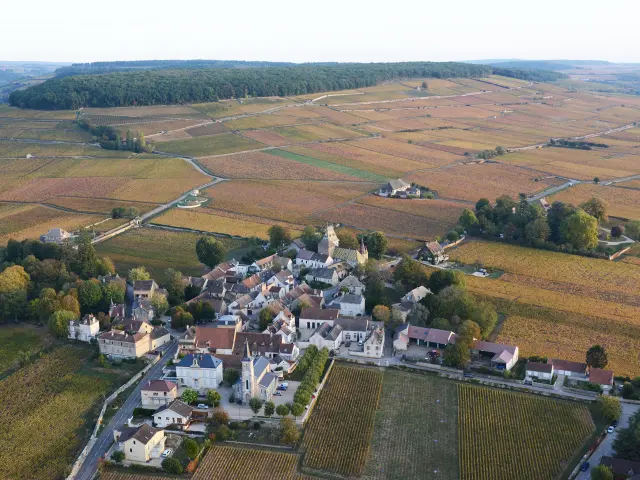
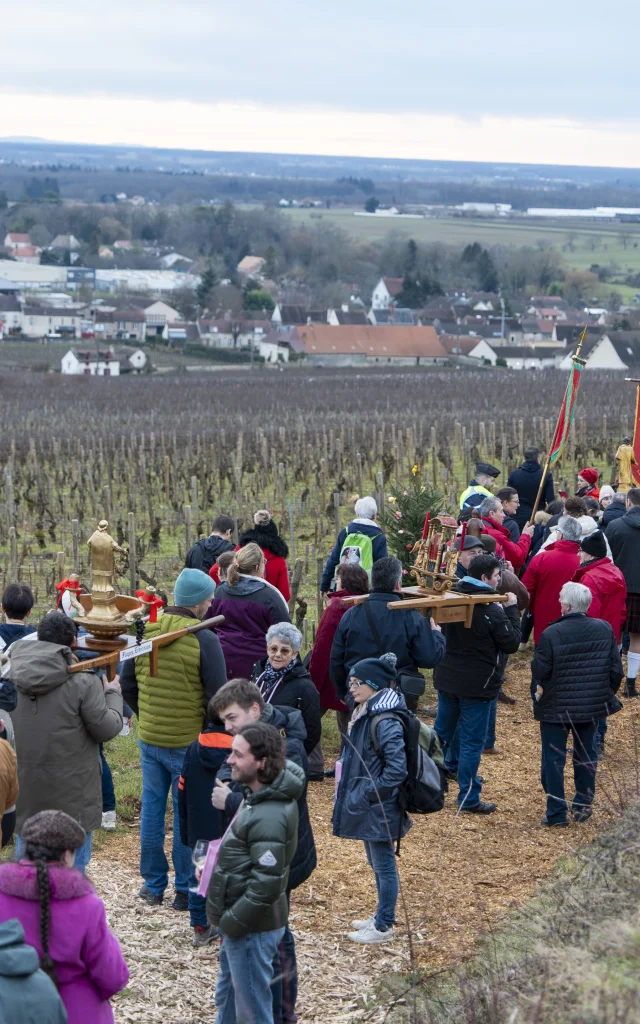
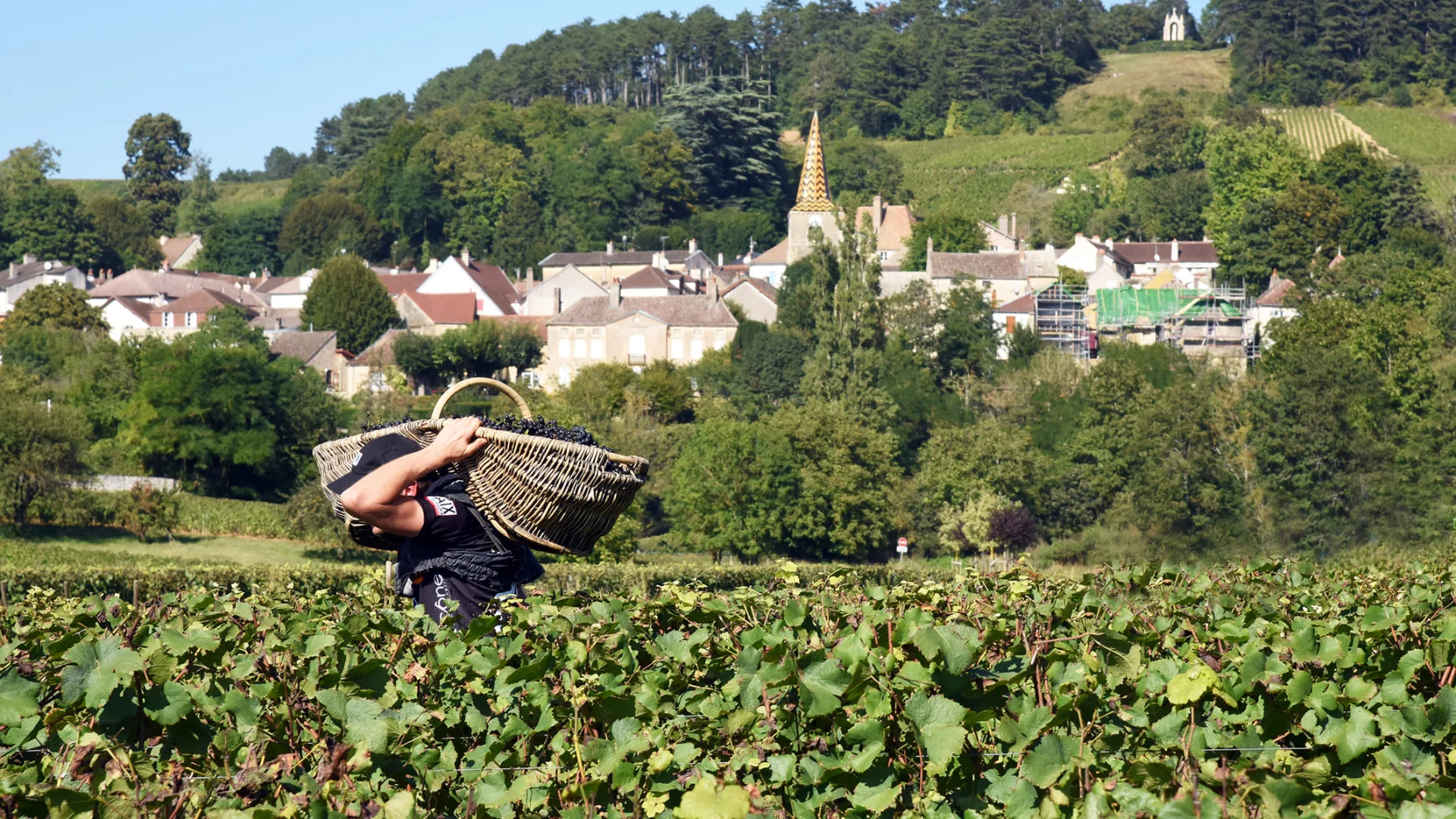
Harvesting in Pernand-VergelessesHarvesting in Pernand-Vergelesses
©Côte-d'Or Attractivité - Rozenn Krebel

A vineyard, a village

Ajouter aux favoris

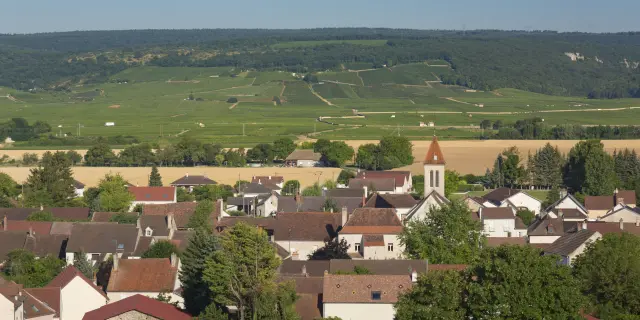
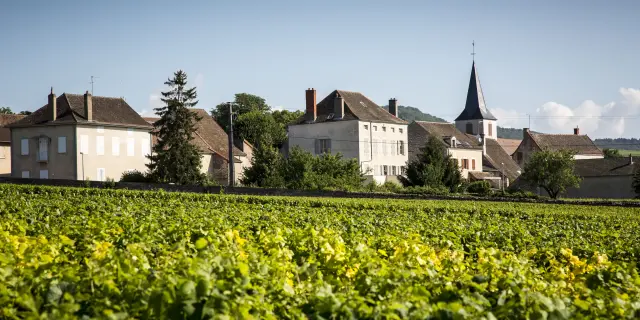
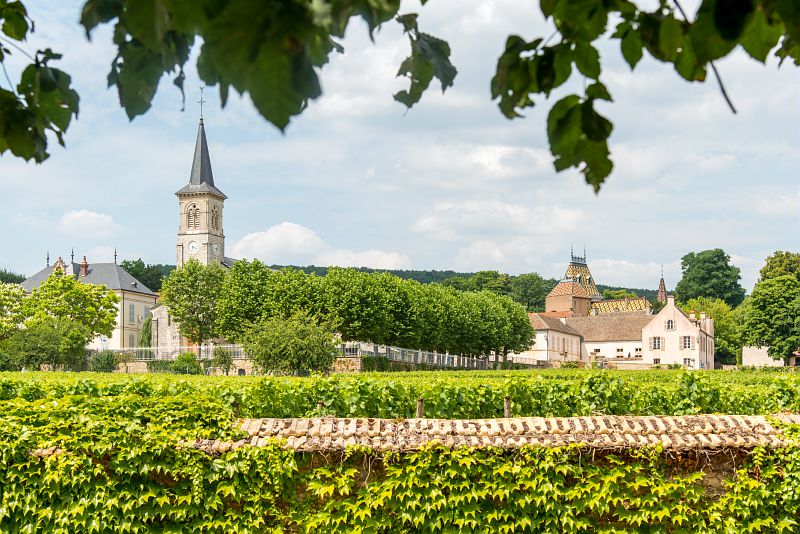
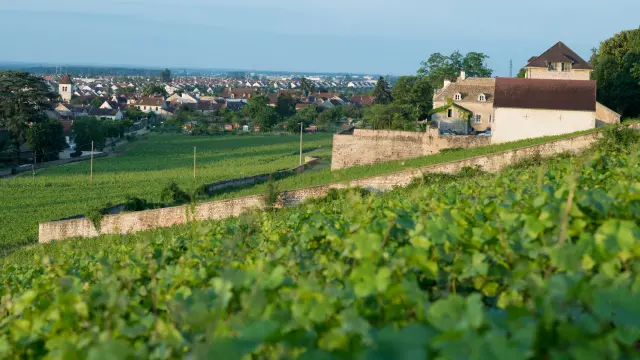
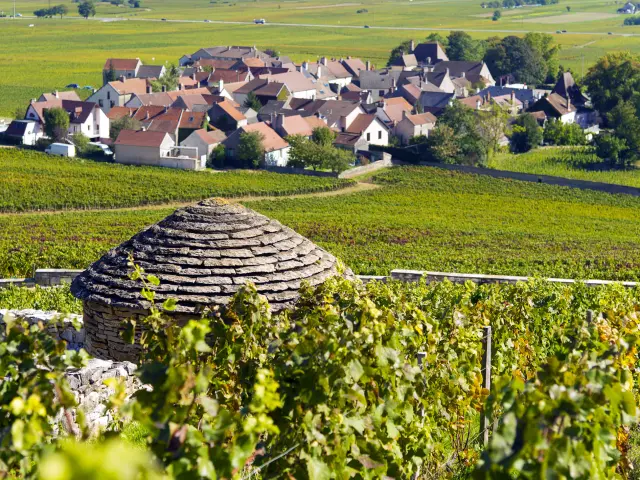
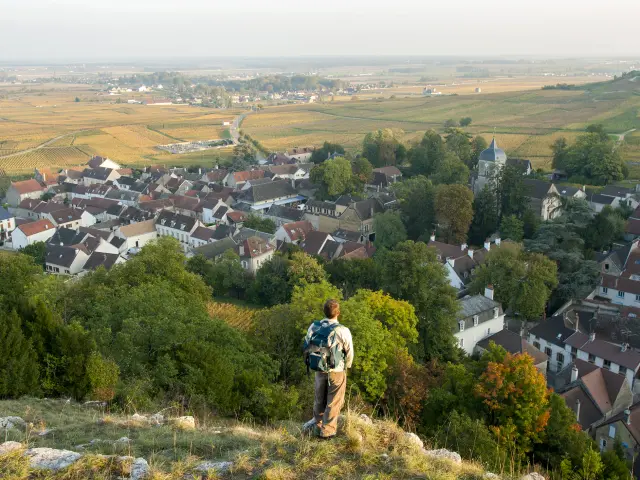
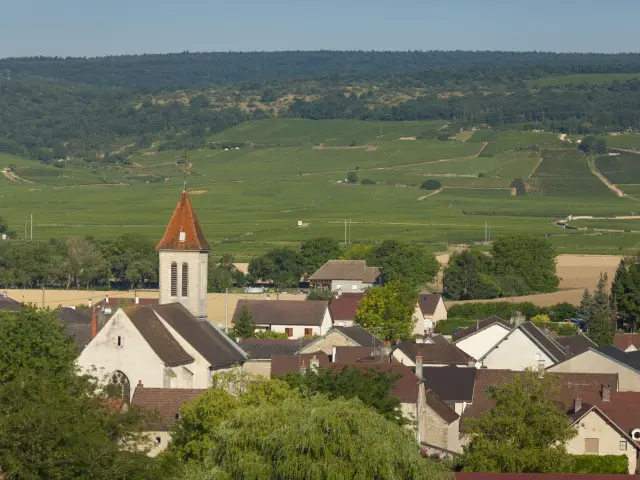
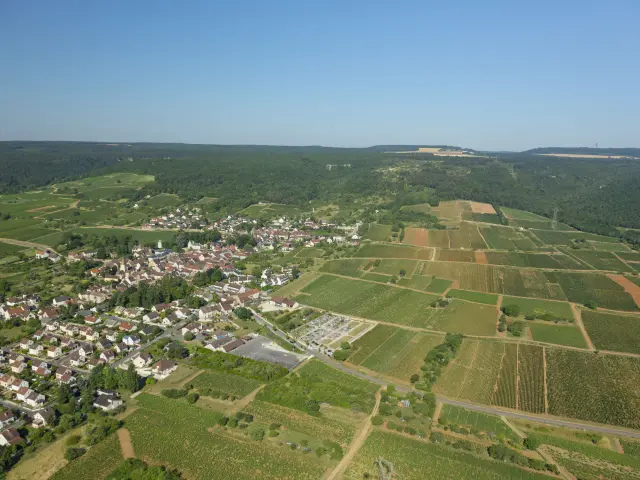
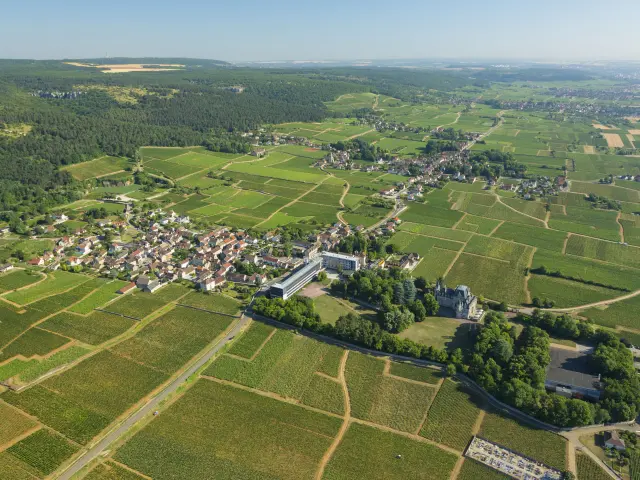
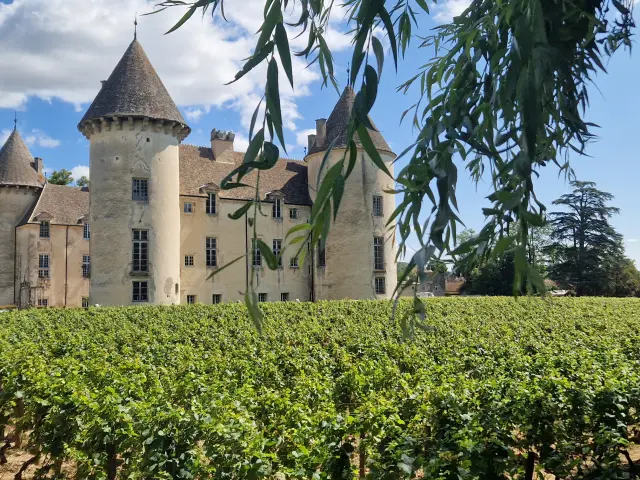
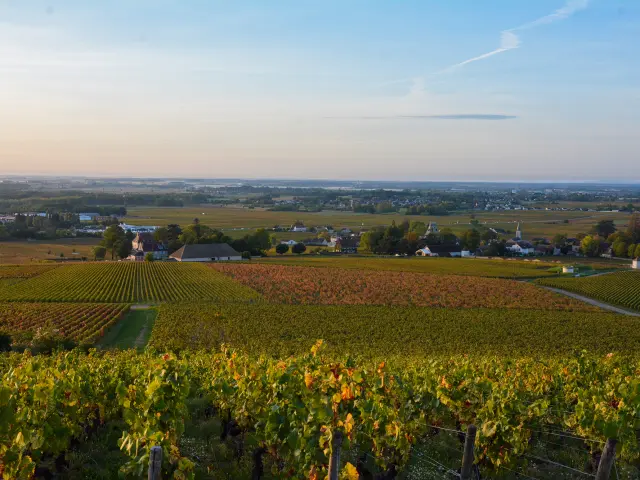
On the Route des Grands Crus de Bourgogne, every village is a stopover, every church tower a landmark, every vine a promise. From one end of the Côte-d’Or to the other, these wine-producing villages shape the landscape as much as they tell its legend. Here, wine isn’t just produced: it’s lived, shared and celebrated.

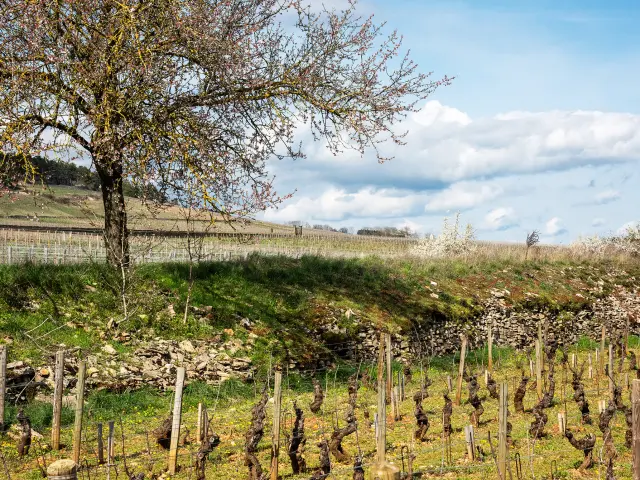
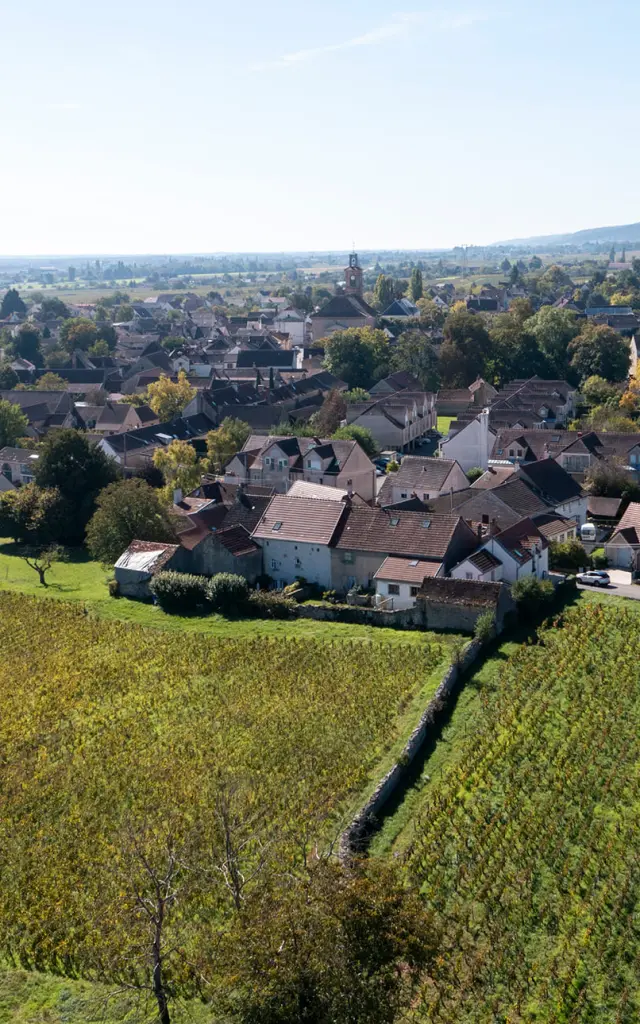
From Marsannay-la-Côte to Santenay, the Route winds its way between low stone walls and glazed roofs, linking charming villages where the word “terroir” takes on its full meaning. Some names sound like myths, others are revealed at the turn of a bend, but they all share the same signature: the Burgundian art of living, authentic and generous.

Between vineyards and bell towers, the Route comes to life

Along this legendary route, the villages of the Côte de Nuits and Côte de Beaune unfold their appellations like an open book. Gevrey-Chambertin, Vosne-Romanée, Nuits-Saint-Georges, Meursault, Pommard, Puligny-Montrachet, Chassagne-Montrachet… all names that sound like invitations to discover.
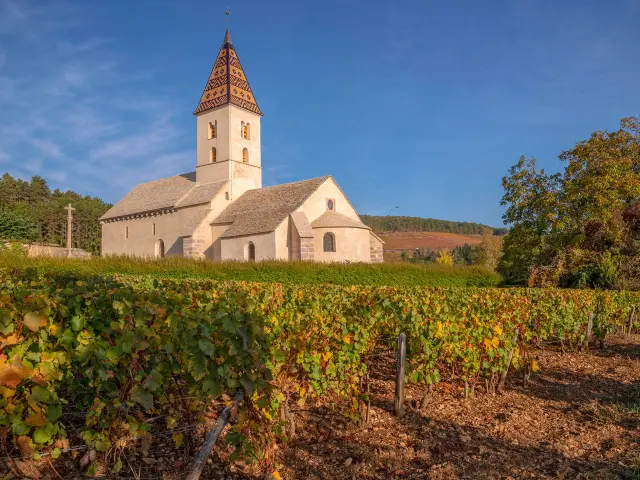
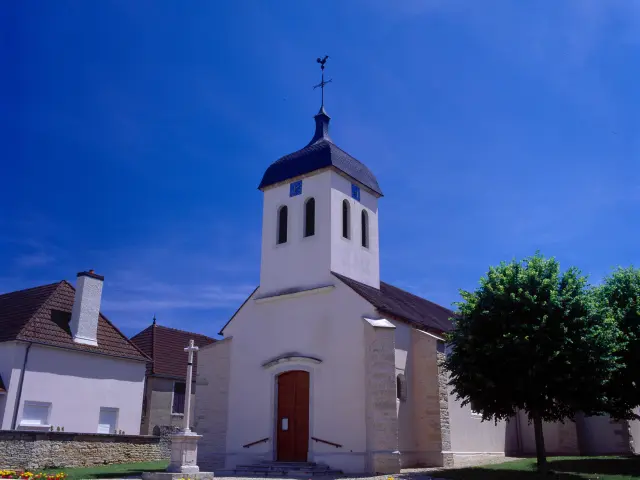
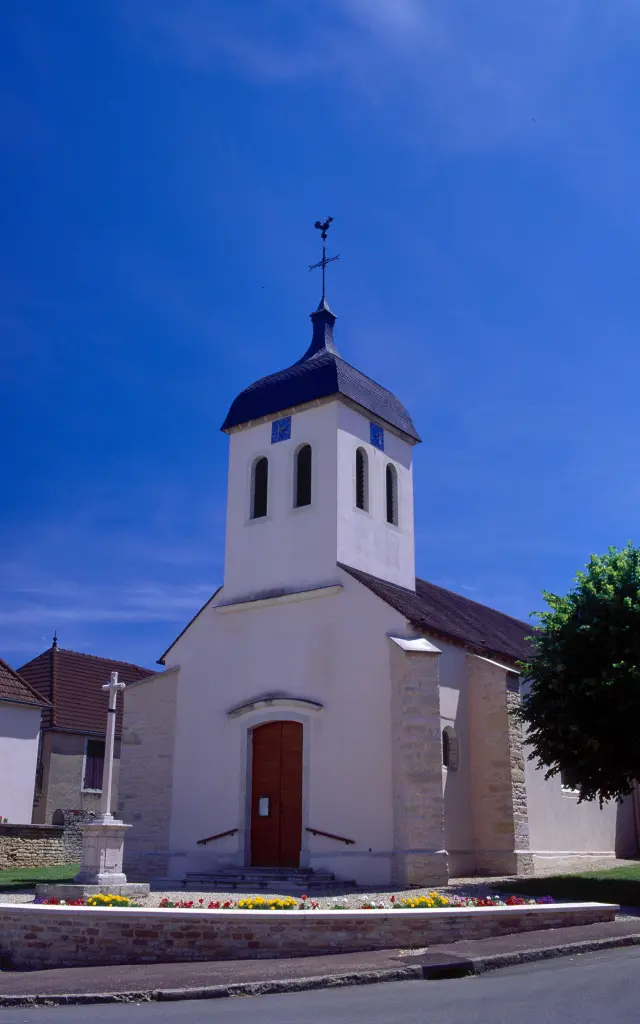
Between vaulted cellars, winegrowers’ houses, Romanesque churches and small squares where time seems suspended, each stop tells the story of Burgundy in its own way.
Get ready to travel from village to village, glass to glass, and explore the many faces of France’s most legendary vineyard.
Dijon Historic gateway to the Route des Grands Crus de Bourgogne

Dijon is the official starting point for the Route des Grands Crus de Bourgogne, and sets the ball rolling in style. As the capital of the Dukes of Burgundy, the city combines a remarkable heritage, gourmet culture and art of living, even before you reach the first vineyards. Here, history can be read in the stones of the old town centre, from the Dukes’ Palace to the town houses, while Burgundian flavours are expressed in the markets, in the city’s cellars and in its renowned restaurants.

Dijon is not a wine-growing village in the strict sense of the word, but it is a key one. It’s here that you can understand Burgundy, its UNESCO-listed Climats, its grape varieties and its traditions, notably at the Cité internationale de la gastronomie et du vin. Just a few minutes away, Marsannay-la-Côte marks the entrance to the vineyards: the Route leaves the city, but the Burgundian spirit is already well established. Dijon sets the tone: cultural, gourmet and deeply Burgundian.

The villages of the Côte de Nuits

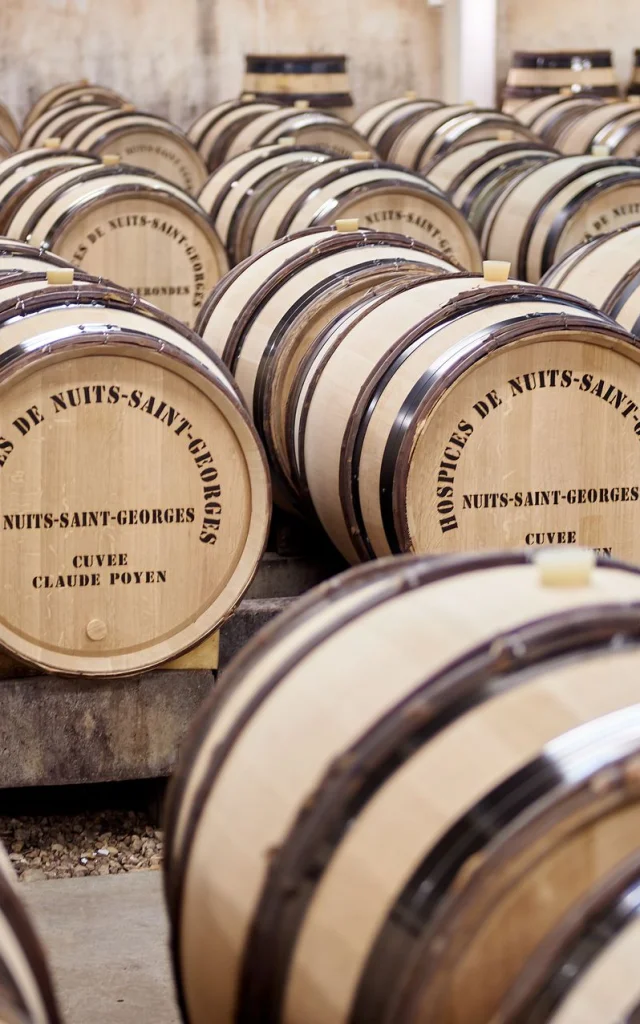
To the north of Beaune, the Côte de Nuits concentrates the intensity of Burgundy’s vineyards. Here, the villages are like mythical names engraved in the history of wine: Marsannay-la-Côte, Gevrey-Chambertin, Morey-Saint-Denis, Chambolle-Musigny, Vosne-Romanée, Nuits-Saint-Georges… So many emblematic stops where pinot noir expresses all its depth, finesse and power.

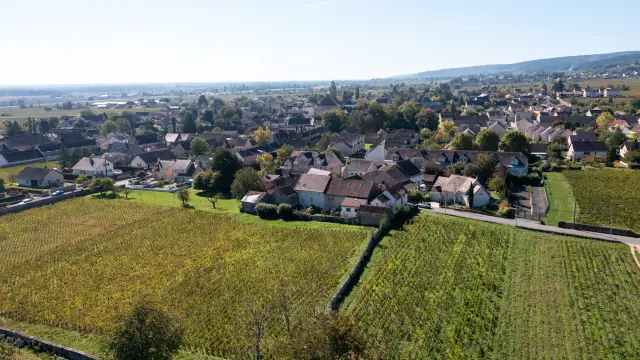
In these villages on a human scale, you can experience our heritage on a daily basis: centuries-old cellars, winegrowers’ houses, Romanesque churches and vineyards as far as the eye can see. Each alleyway leads to a story, each plot tells the story of a climate, each encounter reveals a know-how handed down over the centuries. Here, wine is never static: it accompanies the seasons, local festivals and the Burgundian art of living.

The villages of the Côte de Beaune

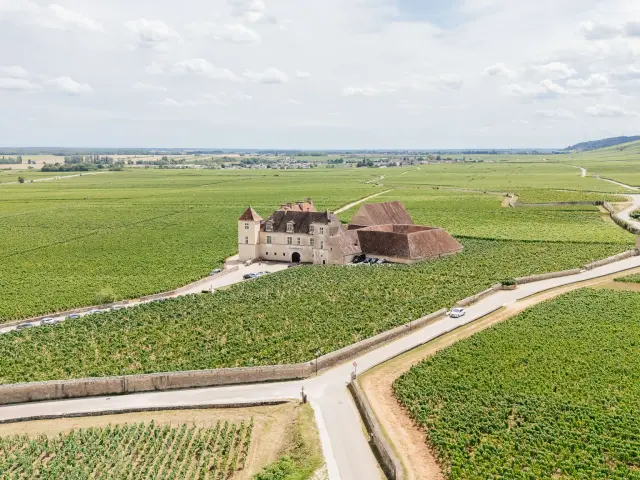
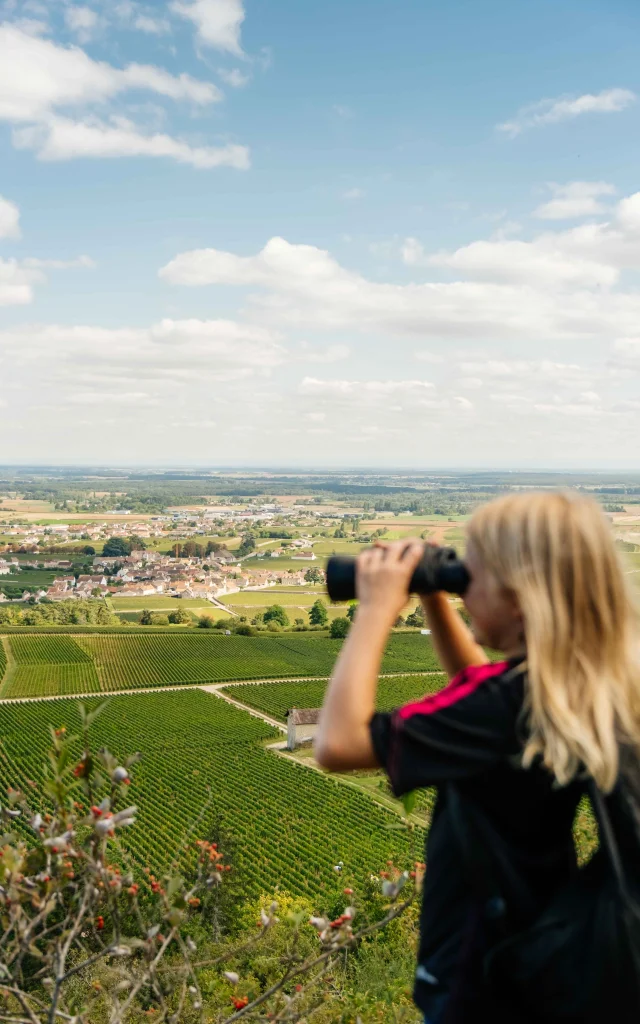
To the south of Beaune, the Côte de Beaune offers a succession of villages where the vineyards are as elegant as they are beautiful. Here, the great whites of Burgundy rub shoulders with characterful reds, and each village cultivates its own personality between blonde stone, historic clos and renowned estates. Meursault, Puligny-Montrachet, Chassagne-Montrachet, Pommard, Savigny-lès-Beaune and Santenay: world-famous names, but above all lively places, shaped by generations of winegrowers.

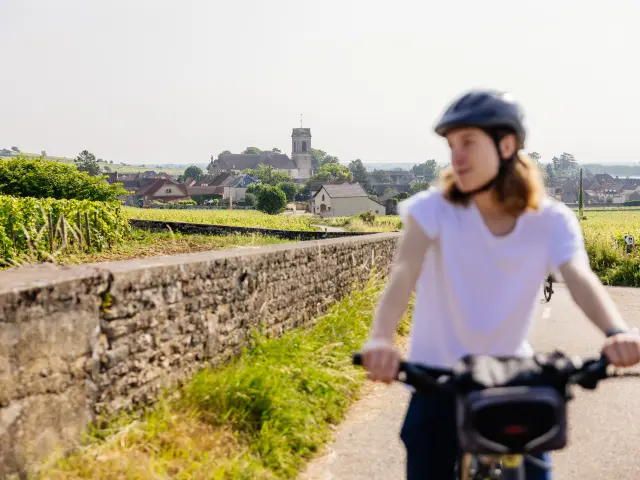
Stroll through the streets lined with manor houses, push open the door of a vaulted cellar, cross the UNESCO-listed Climats du vignoble de Bourgogne, before enjoying a meal in a village square or cycling along the vineyards. Between heritage, gastronomy, art of living and open landscapes, the Côte de Beaune offers a gentle and luminous interpretation of the Route des Grands Crus de Bourgogne.