Tables & Terroirs

La Fine Heure Et La Cuve En Ville - DijonLa Fine Heure Et La Cuve En Ville - Dijon
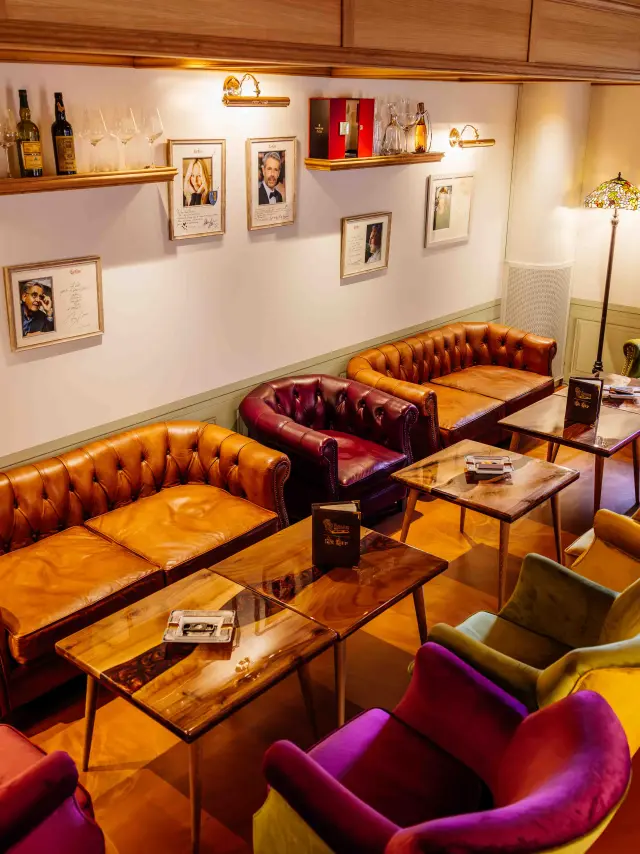
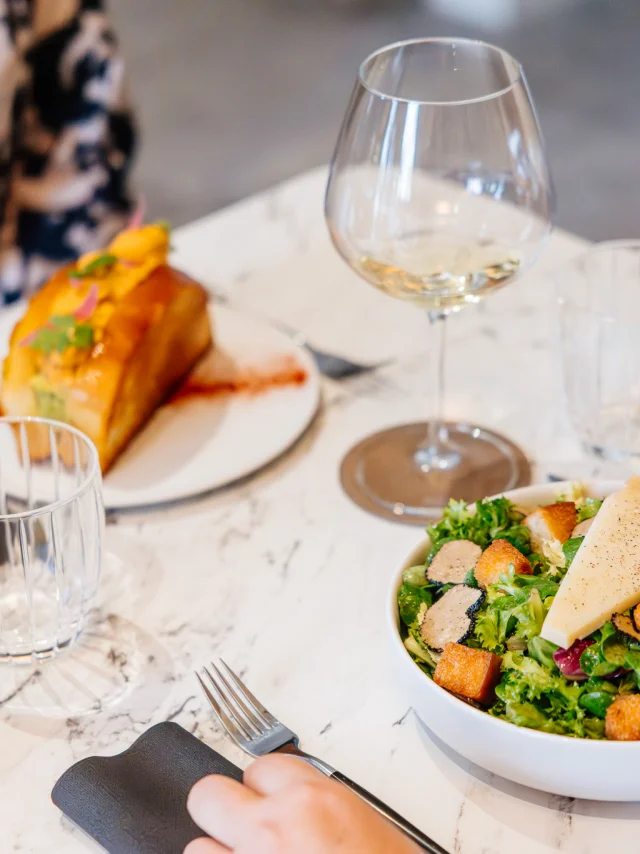
©Les Conteurs - La Fine Heure Et La Cuve En Ville - Dijon
Savour the Route des Grands Crus de Bourgogne, fork in hand

Here, every bend in the road smells of fine wine, every village hides an exceptional table, and every meal becomes a memory to be classified as a “grand cru”. On the Route des Grands Crus de Bourgogne, the pleasure is as much in the plate as in the glass. From Michelin-starred restaurants to characterful bistros, vaulted cellars and products bearing the Savoir-Faire 100% Côte-d’Or label, every stop invites you on a unique sensory journey. Generous, lively and resolutely tasty, Burgundy can be discovered here… with a fork and a corkscrew.

Tables : where you can taste Burgundy

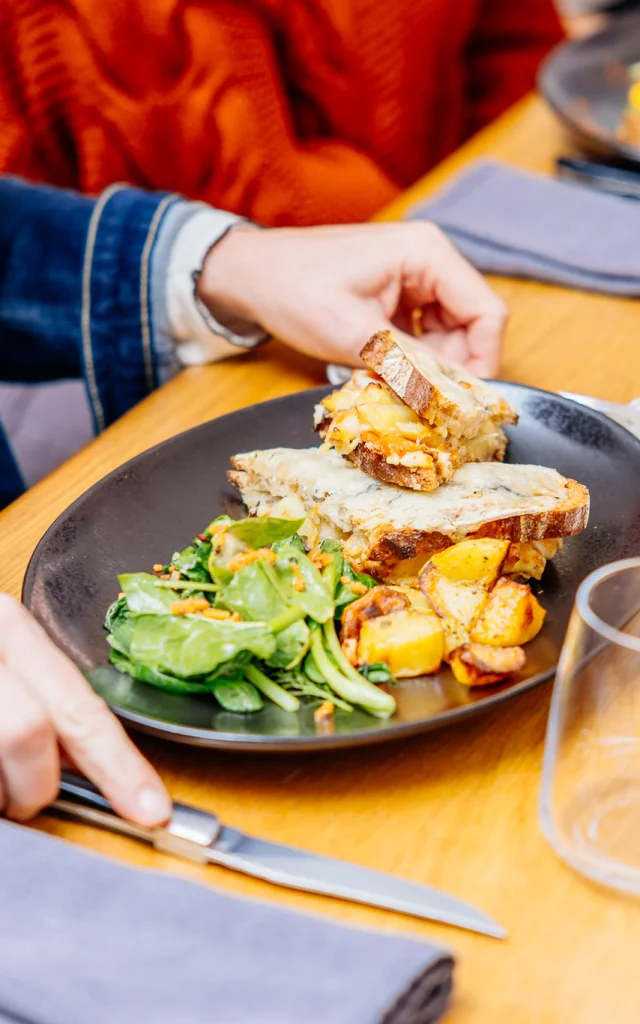
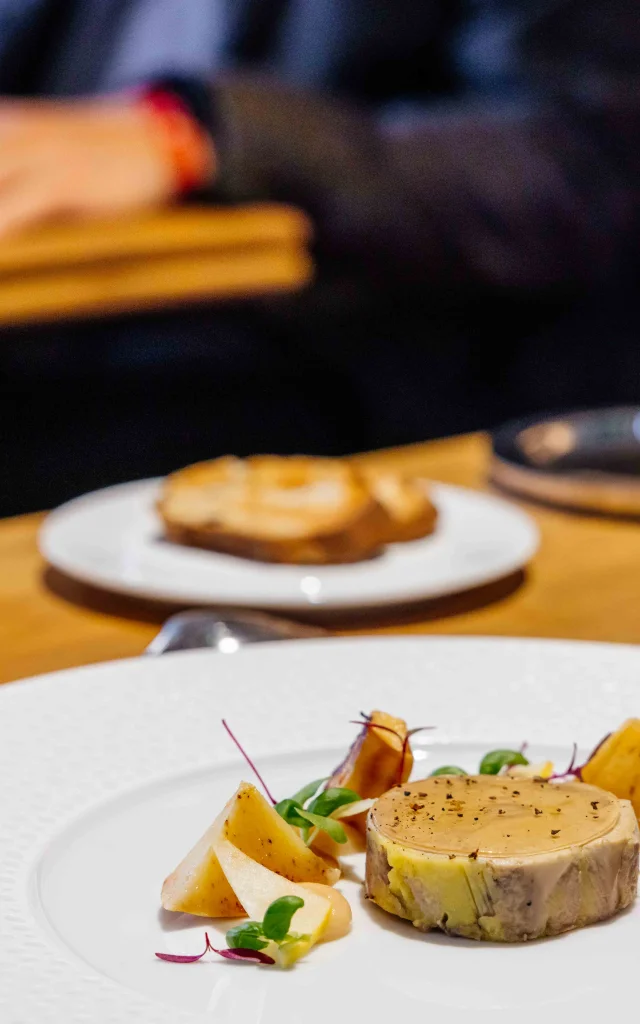
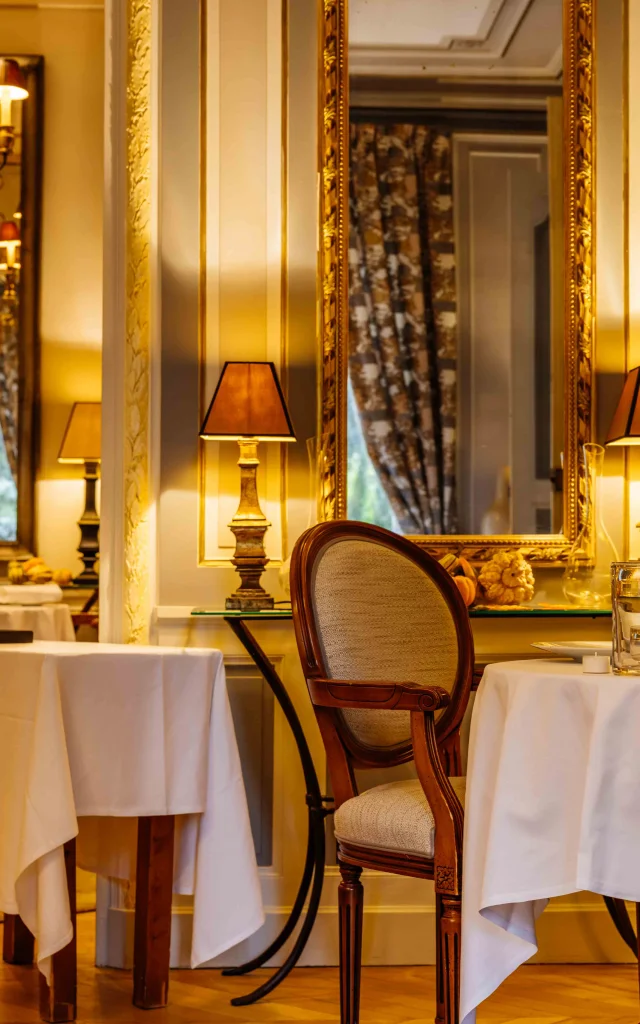
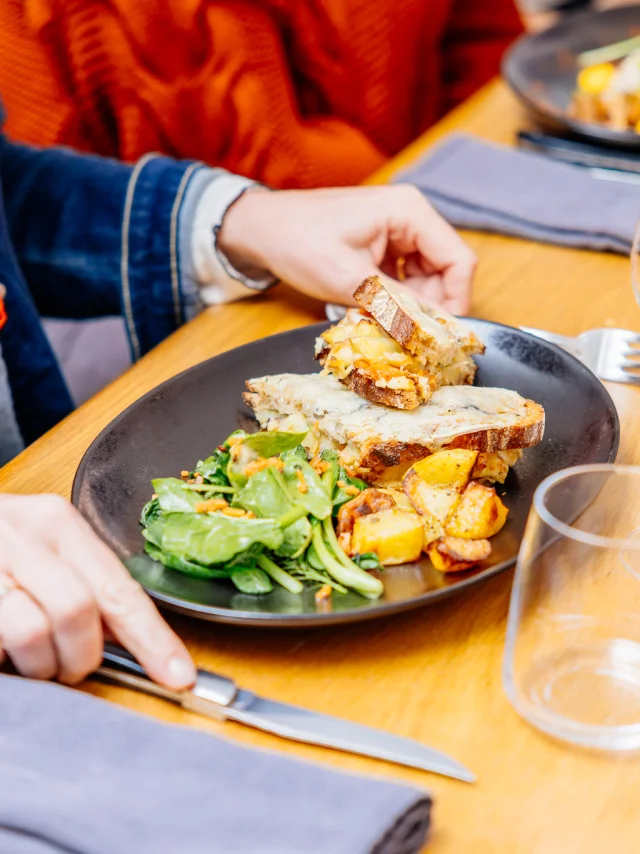
On the Route des Grands Crus de Bourgogne, each table tells a story of taste and passion. From contemporary bistros to charming inns, the chefs reinvent Burgundian cuisine without ever betraying its soul. In Dijon, the capital is eaten up with urban creativity and chic gastronomy; in Beaune, the epicentre of taste, you can savour the art of entertaining between the Hospices and prestigious wine cellars; in Gevrey-Chambertin, the Climats inspire a sincere cuisine, made for epicureans; and in Nuits-Saint-Georges, the dishes celebrate authenticity and nature. Between a starred chef’s hat and a convivial table, one thing is certain: here, the terroir really comes to the table.
Starred restaurants : the Burgundy constellation

On the Route des Grands Crus de Bourgogne, the stars don’t just shine in the sky. They also sparkle in the plates of Michelin chefs who sublimate local produce with boldness and precision. In Beaune, Dijon and Nuits-Saint-Georges, these Michelin-starred restaurants celebrate the perfect blend of Burgundian tradition and contemporary gastronomy. Each menu is a sensory experience: an inspired food and wine pairing, a presentation that flirts with art, pure emotion in every bite. Here, Burgundy is tasted like a grand cru – with respect, curiosity and a touch of self-confessed greed.

The Savoir-Faire 100% Côte-d'Or brand authenticity à la carte

Behind the blue Savoir-Faire 100% Côte-d’Or logo, an entire region expresses itself – producers, artisans, restaurateurs and chefs united by a love of good and true food. This brand has become the Côte-d’Or gourmet label, a guarantee of authenticity and local quality. In markets, cellars, shops and restaurants, look out for the logo and let your taste buds do the rest: honeys, wines, charcuterie, mustards, pastries, bistros and Michelin-starred restaurants… it’s all there, 100% local, 100% tasty, 100% Côte-d’Or. Because here, terroir isn’t just a word, it’s a signature.

The cellars : at the source of pleasure

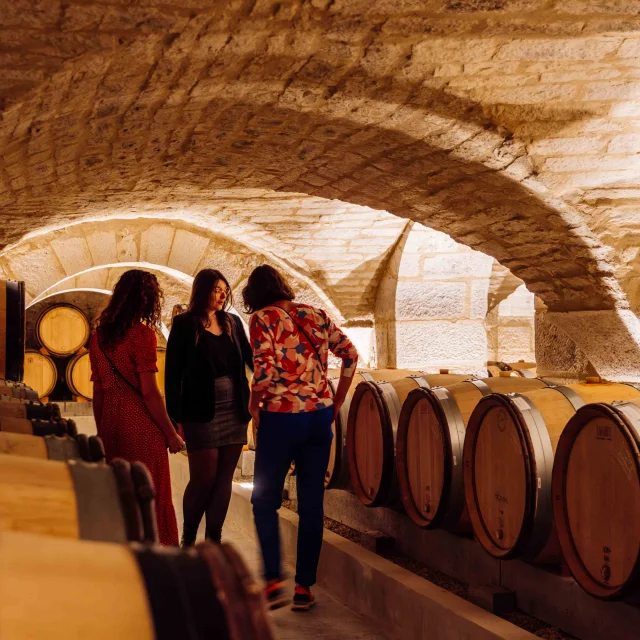
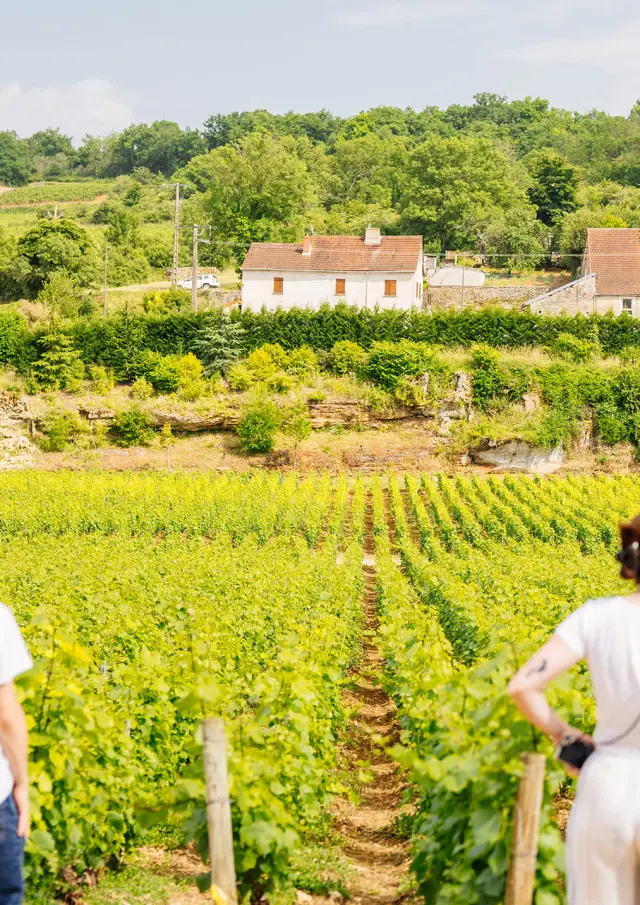
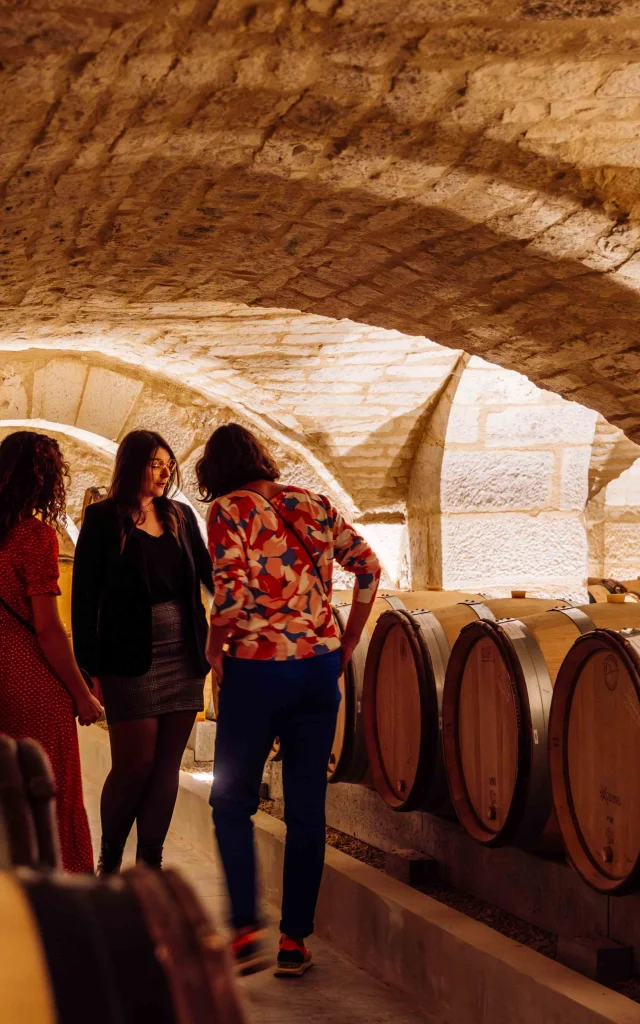
Here, each cellar is a promise of discovery and emotion. From the historic cellars of Beaune to the confidential estates of Gevrey-Chambertin and the passionate winemakers of Nuits-Saint-Georges, you can explore the liquid treasures of an exceptional terroir. Here, wine is told as much as it is tasted: in the cool of a century-old vault, around a barrel or in the heart of a contemporary cellar, each sip speaks of know-how, climate and passion. Whether you’re an enlightened connoisseur or simply curious, one thing is certain: in Burgundy, a cellar visit is always a great opportunity to share.

FAQ - Eating and drinking along the Burgundy Grands Crus wine route: everything you need to know!
  • What are Burgundy's most famous gourmet restaurants?

    Burgundy’s great restaurants are famous for their history and age. In Chagny, the Maison Lameloise (3 Michelin stars) embodies excellence through its art of detail. In Saulieu, Le Relais Bernard Loiseau conveys refinement and pure emotion through each of its dishes. Near Beaune, the Domaine de Rymksa and not far from Dijon, the Maison des Cariatides, offer a contemporary take on the terroir, with revisited dishes. Other Michelin-starred chefs such as Jean-Michel Lorain and Éric Pras remind us that Burgundy is much more than a region, it’s a school of taste!

  • How do you define modern Burgundian cuisine?

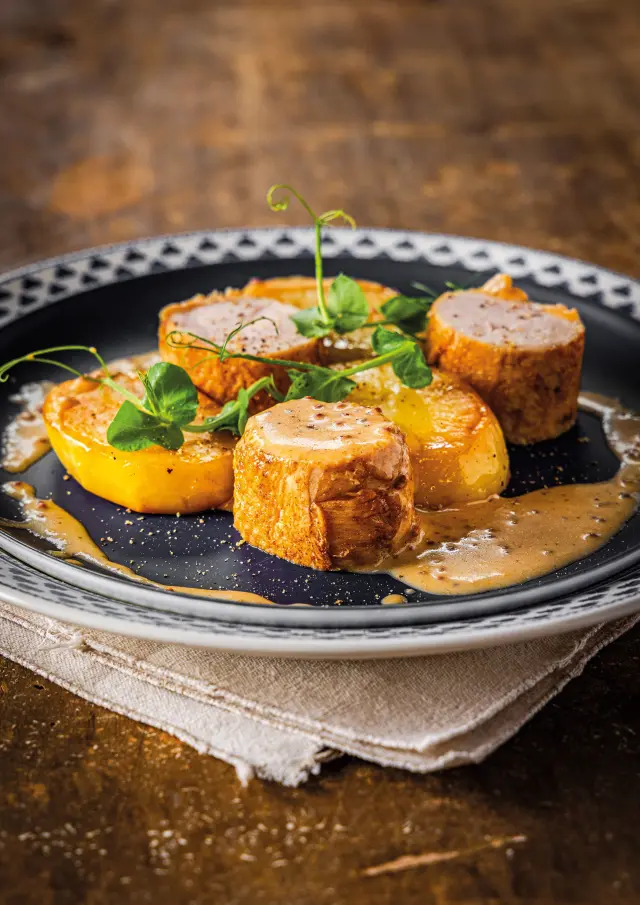
    Burgundian cuisine today combines heritage and creativity. Chefs play with classics such as boeuf bourguignon, escargots and œuf meurette, lightening them up or combining them with vegetable textures, reduced juices or emulsified sauces. The gourmet restaurant becomes a true representative of the land! Each dish conveys the authentic, natural culture of Burgundy.

  • What is the budget for a meal in a gastronomic restaurant in Burgundy?

    A tasting menu in a Michelin-starred restaurant generally costs between €120 and €250 per person, depending on the number of courses and the chef’s reputation. The gastronomic menus in Beaune and Dijon also offer more affordable options at €60-90 for lunch, perfect for a gourmet break. Food and wine pairings, prepared by the sommelier, add between €40 and €100 depending on the selection.

  • What experiences should you associate with a meal in Burgundy?

    A meal in Burgundy is best enjoyed after a day of discovery. Before dinner, visit a wine estate and taste a Chablis or Montrachet on cask. Afterwards, extend the evening in a spa hotel, guest house or château in the heart of the vineyards. Michelin-starred chefs like to guide their guests to artisans, cheese-makers and market-gardeners… so the experience goes beyond the table, and becomes a veritable journey through Burgundy.

  • How do you choose a restaurant according to the season?

    In spring, chefs cook asparagus, morels and young vegetables. In summer, the terraces open onto the vineyards, and the menus become sunny and floral. Autumn celebrates hunting, grapes, brown sauces and toast. Winter brings the warmth of stone halls, Burgundy truffles, full-bodied juices and velvety red wines.

  • What are the key signatures of Burgundy gastronomy?

    Burgundy can also be discovered in its most legendary dishes. Egg meurette, pôchouse from the banks of the Saône, Bresse poultry in cream sauce, snails in parsley butter, Charolais beef… Each Burgundy chef interprets them in his own way: Lameloise turns them into an ode to the land, Loiseau into a work of art, Pras transmits emotions.

  • Where can you enjoy a gastronomic experience off the beaten track?

    Beyond the Michelin stars, Burgundy is full of typical restaurants, very popular with the locals. You’ll find these addresses in a wine-growing village, a renovated farmhouse or an estate in the forest. It’s an opportunity to enjoy a perfectly cooked dish, accompanied by a glass of wine from the neighbouring vineyard. A sommelier, host or winemaker will be happy to advise you if you ask.

  • What role do wines play in a gastronomic meal in Burgundy?

    Burgundy wines are much more than an accompaniment, they sublimate the dish through their taste. A Meursault for butter, a Pommard for meat, a Chablis for the sea… Grand crus rub shoulders with local appellations, rare vintages respond to the season. In some Michelin-starred restaurants, the wine cellar becomes a place apart, almost sacred. Enjoy in moderation!

  • Is it possible to stay overnight after a gourmet meal?

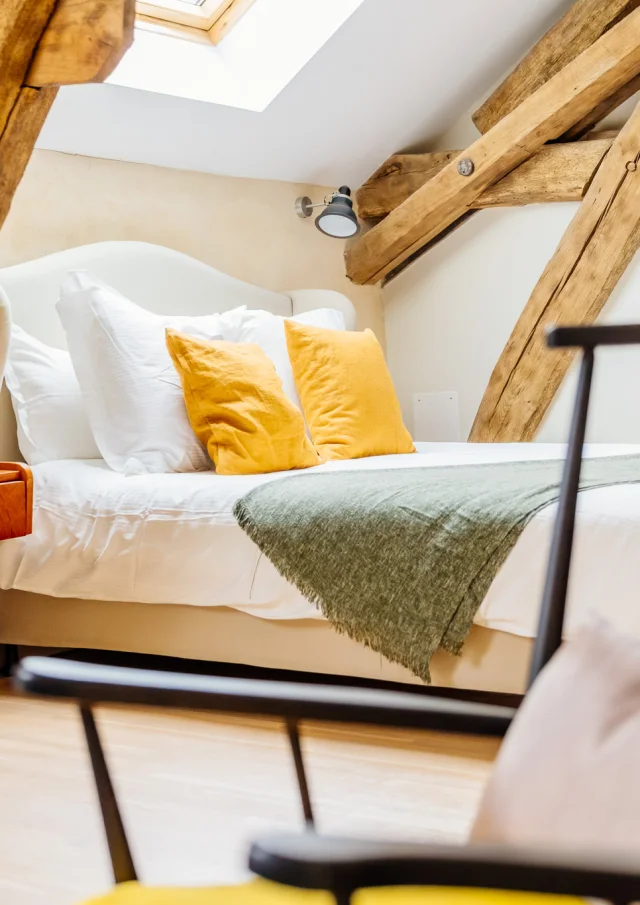
    Yes, many of Burgundy’s gourmet restaurants also offer accommodation services. Domaine de Rymksa or Maison Lameloise welcome guests in elegant rooms above the dining room, often with spa facilities and views over the vines. Other establishments offer charming gîtes or guest houses adjoining the restaurant, perfect for extending the evening and enjoying a farm-fresh breakfast the next day.

  • Which Burgundy restaurants offer a star-studded gastronomic experience using local produce?

    In Burgundy, a number of restaurants offer a Michelin-starred gastronomic experience using local produce. These restaurants showcase the best of the region, in elegant surroundings where each dish reflects the creativity and expertise of the teams. The French gastronomic guides regularly recommend these restaurants as a great way to discover Burgundy’s culinary richness and diversity.

  • Are there any gastronomic experiences in typical Burgundy villages?

    Yes, in villages like Saint-Romain or Saint-Aubin on the Burgundy Grands Crus Route, some restaurants offer menus based on products from the region. These restaurants offer you the chance to savour the best dishes in an authentic setting, while discovering Burgundy’s wine-growing and cultural heritage.

  • How do the gastronomic guides rate Burgundy restaurants?

    The French gastronomic guides highlight restaurants offering refined surroundings, quality products and creations by Michelin-starred chefs. They reward expertise, creativity and the use of local produce, enabling diners to spot the best culinary experiences throughout France!