Clos de Bourgogne, les escapades "secrets de la vigne au vin"
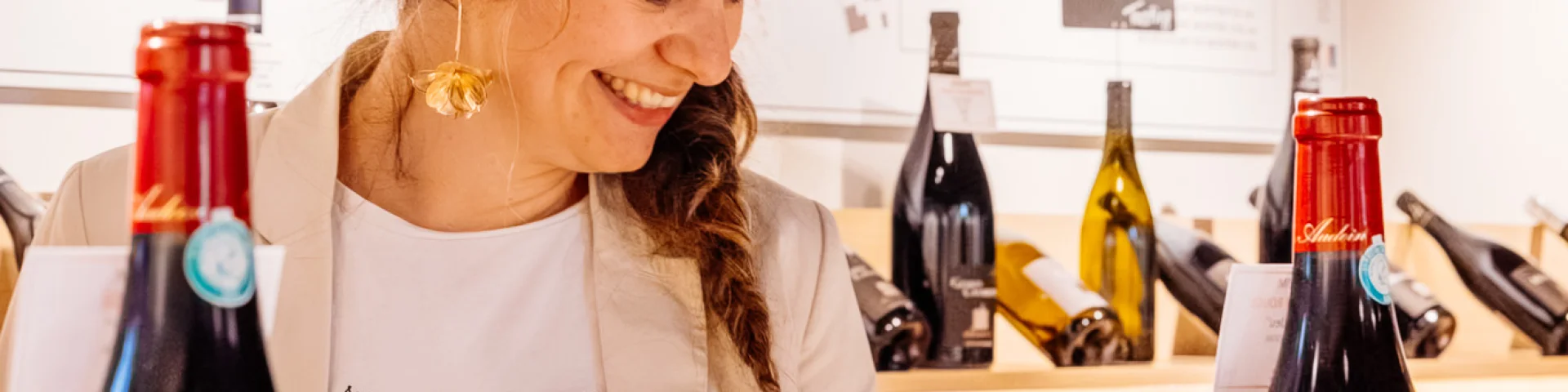 Caveau De Marsannay - Route des Grands Crus de Bourgogne
A visit to a winery on the Côte de Nuits often begins with an introduction to the estate and its history. The winemaker or the winery presents the work in the vineyard, the harvest, the ageing process and the gestures that shape the wine. We quickly get down to the nitty-gritty: the ripeness of the grapes, the length of maceration, the choice of barrel, the balance of the pinot noir… These are all stages in the Burgundian know-how that can be found throughout the wine-growing region.
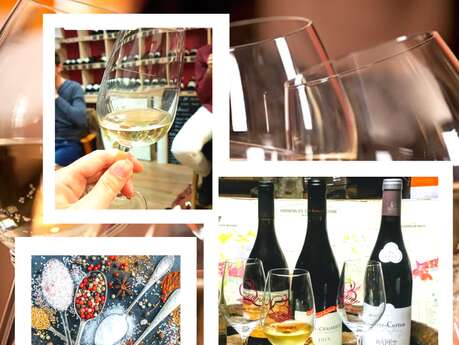
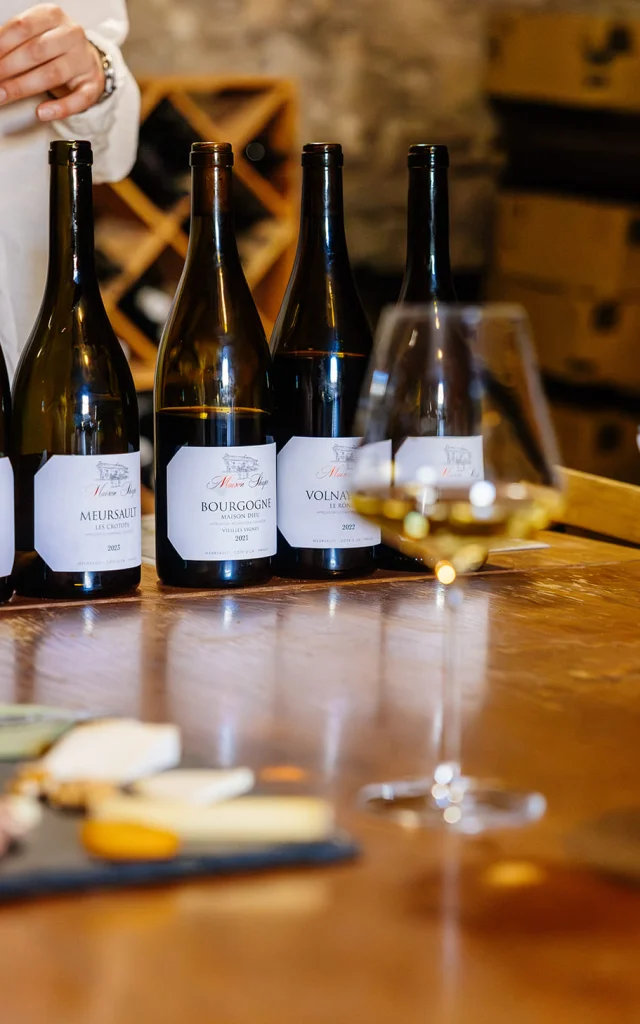
Usually, the tasting follows a natural progression: first a red wine from the Côte de Nuits Village appellation to get a feel for the style of the vineyard, then other vintages to reveal the nuances of the climates. Some estates also offer to compare two vintages of the same wine to get a feel for the influence of time on structure and ageing.
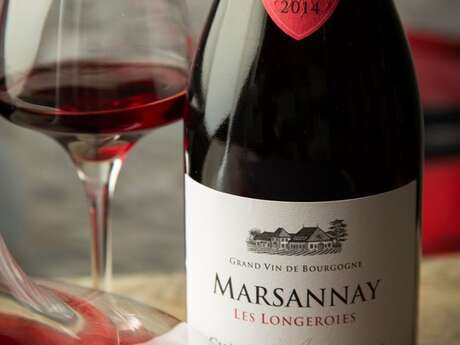
Finally, the winegrowers explain how to read a label: mention of a local appellation (Gevrey-Chambertin, Vosne-Romanée, Nuits-Saint-Georges, etc.) or the “Côte de Nuits Villages” appellation, name of the climate, vintage… An introduction to the art of understanding wine, well beyond the simple glass tasted!
Prices vary according to the package chosen. The “discovery” tastings are still very affordable and provide an insight into the world of the appellation. The more comprehensive tours, which include a visit to the cellars and a commented tasting, are in the middle range. Some prestigious houses, such as Domaine Faiveley (notably present in Nuits-Saint-Georges) or Château du Clos de Vougeot, also offer top-of-the-range experiences based on old vintages or rare cuvées.
The difference in price between a village cuvée and a bottle from a more renowned climat is explained by the rarity of the plots, the age of the vines, the ageing potential and the reputation of the terroir. On the Côte de Nuits, you’re not just buying a bottle: you’re investing in a piece of Burgundy hillside, at the heart of a region where each plot tells a unique story.
Yes, it is advisable to book ahead, especially at weekends, during the grape harvest or major wine events. Most of the estates and houses on the Côte de Nuits offer online booking, with a choice of time slot and format (simple visit, commented tasting, oenological workshop).
After the visit, you can buy directly from the estate, and talk about ageing, serving temperature and choice of vintage. Some producers also offer a delivery service in France and abroad, with secure packaging for transport. Ideal for bringing home a Burgundy red wine without having to carry too much, wherever you are in the region.
The Côte de Nuits vineyards can be visited all year round, but each season offers a different atmosphere.
In spring and summer, the vines come back to life: it’s the ideal time to understand the work of the winemaker, pruning and the evolution of pinot noir on the hillsides.
In autumn, during the harvest, the atmosphere becomes vibrant. The grapes arrive in the winery, and the smells of juice and fermentation fill the air: a unique sensory experience.
In winter, the vines rest and the cellars are quieter. It’s the perfect time to enjoy a quiet tasting, compare vintages and talk about cellaring or building your own wine cellar, in one of the many wine-growing villages in the region.
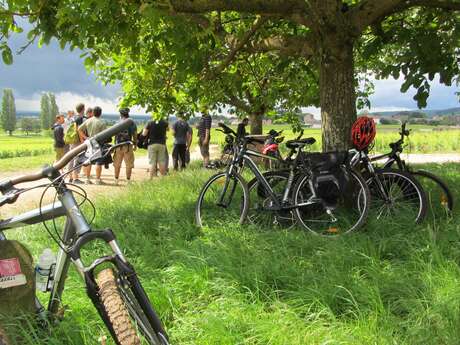
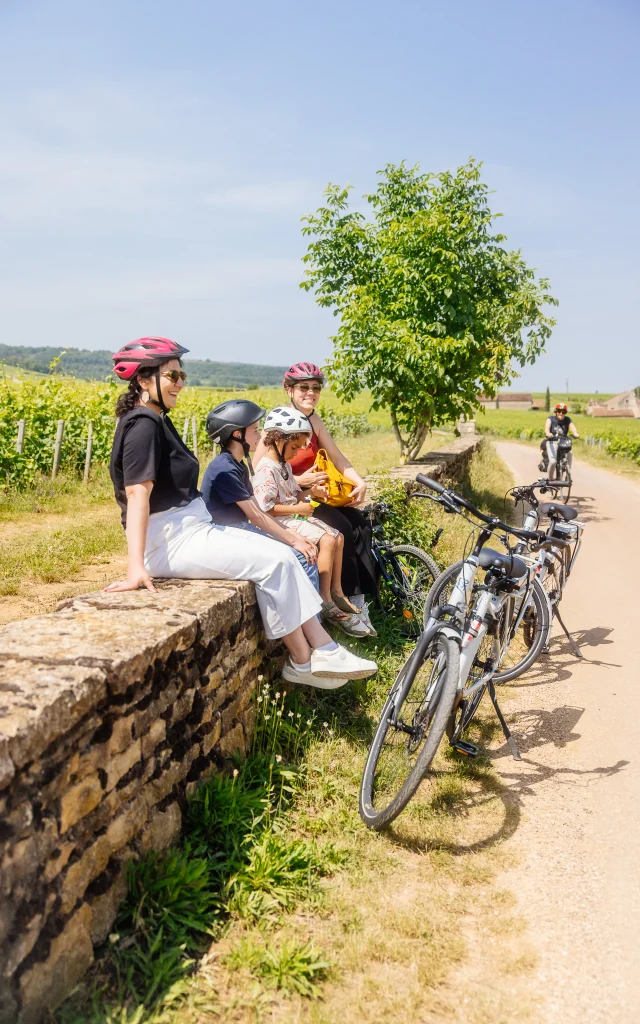
Yes… partially! The centres of some Côte de Nuits villages, such as Vosne-Romanée and Nuits-Saint-Georges, are within easy walking distance, and there are several wineries in the immediate vicinity. To explore the Côte de Nuits further, there are guided excursions to neighbouring estates and villages such as Morey-Saint-Denis and Gevrey-Chambertin. These packages often include transport, visits and tastings with commentary by a guide specialising in the wines of the Burgundy region. A comfortable and responsible way to enjoy wine without worrying about driving.
Although the Côte de Nuits is best known for its red Pinot Noir wines, some estates also produce white Chardonnay cuvées. Rarer, they offer a luminous interpretation of the terroir, more taut and mineral than their red counterparts. These white wines are a great discovery for those already familiar with the red wines of the area, and another example of the unique know-how of this wine-growing region.
The red wines of the Côte de Nuits stand out for their structure and depth. Compared with Savigny-lès-Beaune, which is often more supple, or Santenay, which is more accessible when young, they reveal an intensity and energy that are typically “Côte de Nuits”. As for Vosne-Romanée or Chambertin, they display the same noble Pinot Noir character, but with a more earthy, assertive style. These nuances give the wine-tasting experience its full meaning: it’s clear that here, each village and each commune in the region writes its own score.
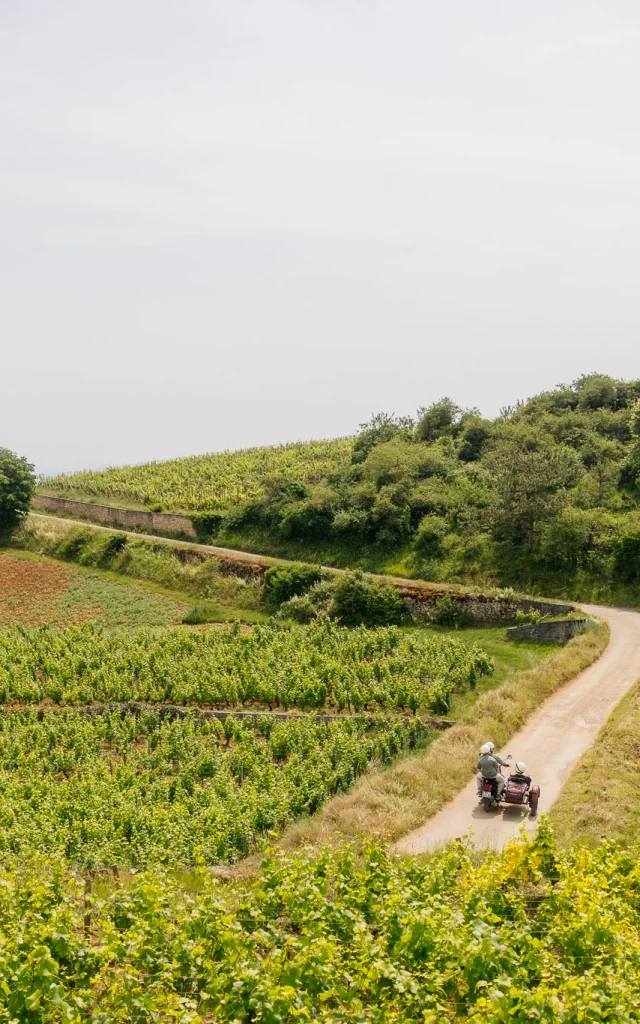
The Côte de Nuits vineyards stretch from south of Dijon to Corgolon. It forms the northern part of the Côte d’Or, and is distinguished from the Côte de Beaune by the predominance of red wines made from pinot noir, with a small proportion of white wine produced from chardonnay. The limestone and clay soils, the exposure of the hillsides and the variety of climates give the wines a marked identity: solid structure when young, velvety texture after a few years of cellaring. Tasting the wines on the spot, in the various communes of the vineyard, helps to situate this style within the Burgundy region and to understand why the wines of the Côte de Nuits are among the most sought-after.
The red wines of the Côte de Nuits reveal an intense nose of black fruit, ripe cherry and sometimes sweet spices. When aired, woody or slightly smoky notes may appear, depending on the ageing. On the palate, Pinot Noir expresses itself fully, with a dense texture, present but fine tannins, good length and a structured finish. Over time, the aromas become more complex, revealing hints of undergrowth, truffles and leather. These wines are among the most expressive in the region, the result of a combination of terroir, climate and expertise.
Around the Côte de Nuits, a number of communes and appellations are well worth a visit to refine your knowledge of Burgundy wines. In Savigny-lès-Beaune, the reds offer more supple, accessible notes, perfect for a first approach. Santenay seduces with its greedy, fruity side, while Vougeot, further north, embodies the finesse and depth characteristic of the Côte de Nuits. These neighbouring stages allow us to compare the expressions of Pinot Noir from one village to the next, and to gain a better understanding of the viticultural diversity of this emblematic region of France.